



The Business Plan Nobody Talks About
The Business Plan Nobody Talks About: Planning for the day you can’t shoot.
"Financial education is something I truly believe many of us don’t know enough about—or simply haven’t had the time or guidance to think about.
This past year at WPPI in Las Vegas, I was talking with our member and friend, Chrissy Marsman, and shared my hope of bringing financial education to our members. Her eyes immediately lit up. “Yes! Life insurance, Roth IRAs, and so much more,” she said. In that moment, I knew we shared the same passion for helping others better understand and navigate these important, and sometimes overwhelming, topics.
Chrissy’s informative and heartfelt blog post is just the beginning of how we hope to support our members in this area. We now have a trusted financial advisor whom many of our members already work with—including me—as well as a small-business accountant and financial planner I personally use and trust. If you have others you trust fully, please feel free to share their information with me.
Our goal is to make these conversations feel less intimidating and give our members access to caring, knowledgeable professionals who can help them feel more informed, prepared, and confident about their financial futures." Sherry Pickerell, WBWP Owner
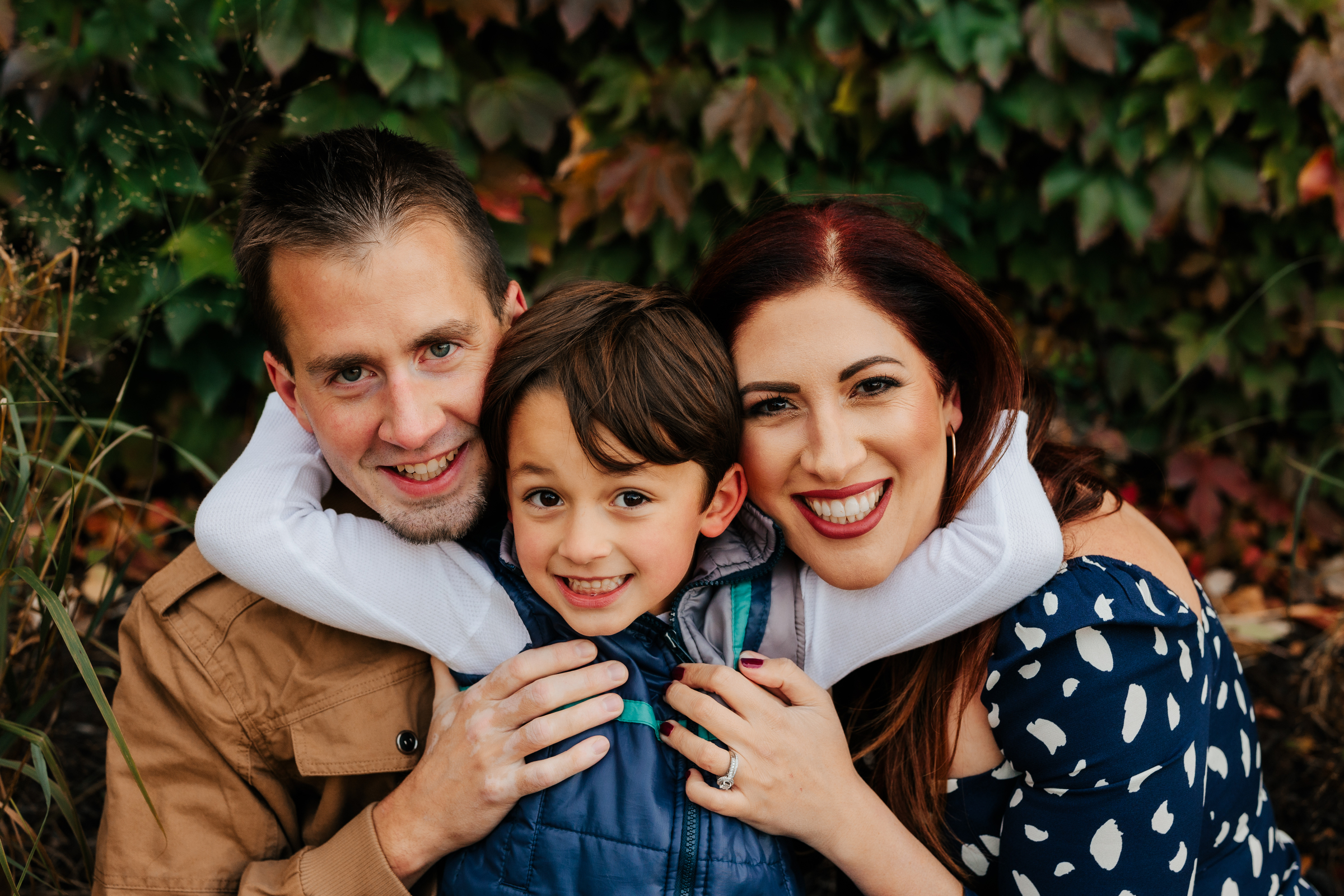
We spend so much time building our photography businesses that sometimes we forget to build a life that can exist without our cameras in our hands.
We invest in new cameras. New lenses. Education. Branding. Websites. Advertising. Styled shoots. Albums. Second shooters. We pour money back into our businesses because we believe in what we're building.
But there is one investment I think photographers don't talk about nearly enough: Our future. What happens when we can't photograph weddings anymore? Not because we don't want to, but because our bodies simply won't let us.
I learned this one the hard way.
The Wedding That Changed Everything
A few years ago, I was doing what I had always done: working, traveling and building my photography business. I had just returned home from photographing a destination wedding in Mexico. Three weeks later, I was going under the knife. My surgeon had told me I needed spinal fusion surgery.
There wasn't a convenient time for it. There wasn't a perfect season in my business to step away. There wasn't a magical six-month window where everything would just stop and wait for me. My calendar was booked, my business was running. I was suddenly facing six months without weddings, the thing that had built my income.
It wasn’t only that, I knew ahead of me were six months of recovery, six months of wondering what my body was going to allow me to do. And the part nobody really prepared me for, I would have to learn how to walk again. Physical therapy became part of my life for an entire year.
My body was healing but my brain was still thinking about my business. Even while I was recovering, I didn’t stop dreaming. I was building my business from my bed.
I was thinking about what I wanted my photography business to look like in the future. I was finding ways to make it stronger, working on systems, and new ideas. I was figuring out how I could build something that didn't depend entirely on me physically showing up with two cameras on my shoulders for twelve hours at a time.
And thankfully, there was something else I had done before all of this happened. I had saved. I had approximately six months of salary put away. That money became so much more than a number in a savings account, it became breathing room. It meant that while my body was recovering, I wasn't simultaneously terrified about how I was going to pay my bills or keep my life moving.
I could focus on healing and I didn't have to rush back before I was ready because I was desperate for a paycheck. It gave me something that money doesn't always buy: time.
Time to heal. Time to think. Time to rebuild. Time to dream.
That experience completely changed the way I look at saving money. We might think we’re saving for an emergency, but really, we’re saving for ourselves. For the version of us who might need help someday.
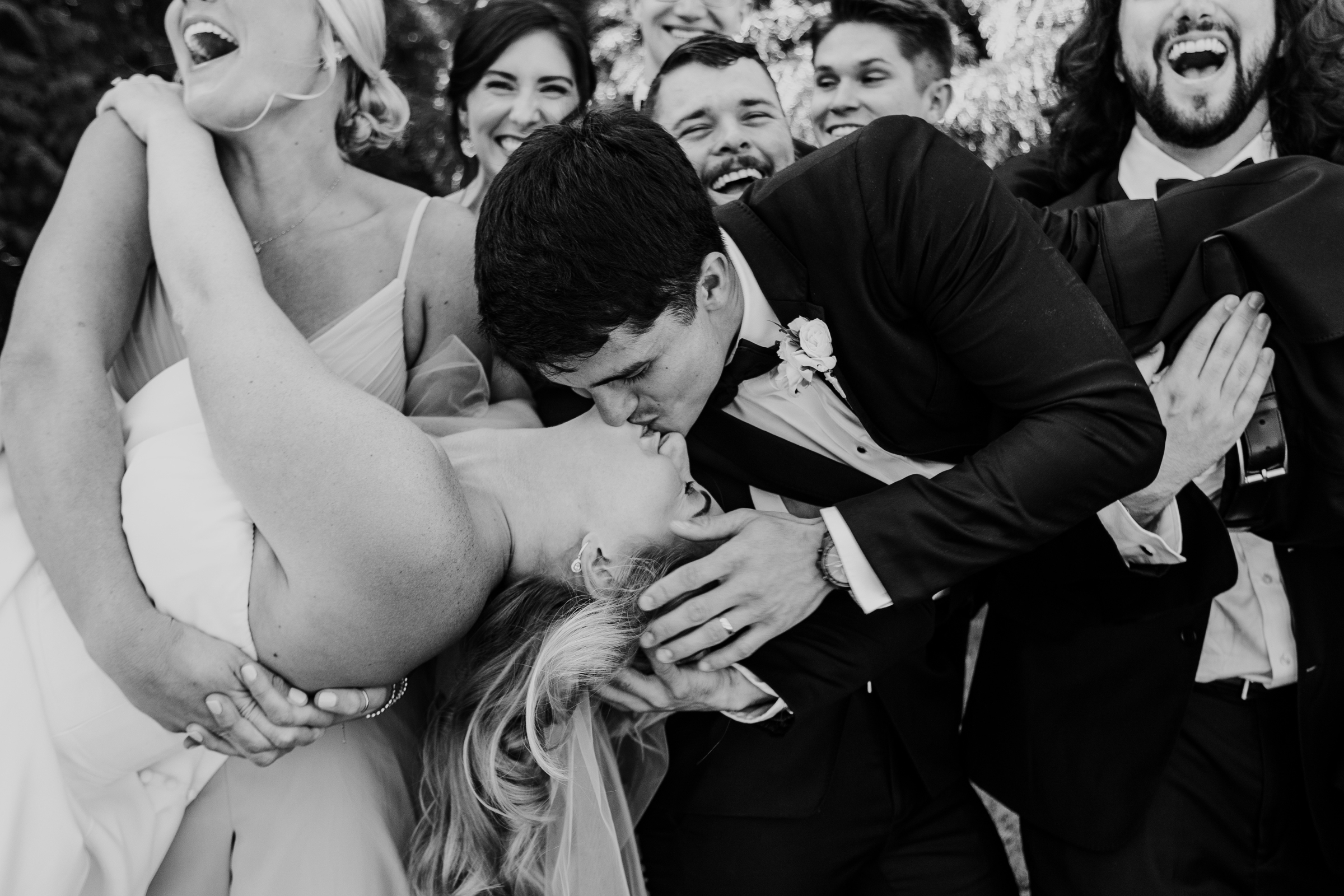
Your Emergency Fund Is Part of Your Business Plan
Most wedding photographers are self-employed. That means we don't necessarily have paid medical leave, disability benefits through an employer, or a guaranteed paycheck waiting for us if we're suddenly unable to work.
We are the business. And that means we have to protect the person running the business.
A good goal is three to six months of essential living expenses saved, with six months being an especially valuable target for self-employed photographers whose income can fluctuate. Financial experts commonly recommend having around six months of living expenses available for emergencies.
And notice I said living expenses, not your gross income. Add up your mortgage or rent, utilities, groceries, insurance, car payment, minimum debt payments and other necessities. If your essential expenses are $4,000 a month, six months would be $24,000.
Does that number make you want to crawl under your desk? I get it. So don't start with $24,000. Start with $1,000. Then $2,500. Then one month. Then two.
The important part is starting. And make it automatic. Create a separate high-yield savings account specifically for your emergency fund and have money transferred into it automatically every time you get paid. Make it a business habit instead of a decision you have to make every month.

Your Roth IRA Is for the Photographer You Haven’t Met Yet
Here’s another uncomfortable truth: one day, we’re all going to stop photographing weddings.
Maybe you’ll retire at 65, or perhaps you’ll reach 55 and decide you’re ready to stop carrying two camera bodies and a 20-pound camera bag. You might choose to photograph only five weddings a year, begin teaching, travel more, or build an entirely different business. Your body may even push you toward a change earlier than you expected.
Whatever that future looks like, you want money waiting for you when you get there.
For 2026, the IRS allows up to $7,500 per year in IRA contributions, or $8,600 if you’re age 50 or older. That works out to $625 per month to reach the $7,500 annual maximum, or about $717 per month for the $8,600 catch-up amount. But here’s what I really want photographers to understand: you don’t have to begin with $625 a month.
You can start with $100 a month, which adds up to $1,200 a year. If you can manage $250 a month, that becomes $3,000 a year. The important thing is to start wherever you can and gradually increase the amount as your business grows.
One strategy I love is increasing your retirement contribution whenever your income increases. If you raise your prices, increase your contribution a little. If you book an extra wedding, put a percentage of that income toward your future. When you have your best month ever, give the future-you a little more. If you receive a large tax refund, consider putting part of it toward retirement.
The goal is to make saving feel boring—in the very best way. Make it automatic, normal, and simply part of running your business. Ideally, it should happen before you have a chance to spend the money somewhere else.
Don’t Put All Your Eggs in the Roth Basket
A Roth IRA is a great option, but it isn’t the only retirement strategy available to self-employed photographers. Depending on your business structure, income, and long-term goals, you may also want to explore options such as a SEP IRA, SIMPLE IRA, or individual 401(k).
This is where speaking with a CPA or qualified financial professional who understands self-employed business owners can be incredibly helpful. They can help you choose an account that fits your business, your current finances, and the future you’re working toward.
The most important thing isn’t necessarily which account you choose first. It’s that you choose something. Because the best retirement account is the one you’re actually funding.
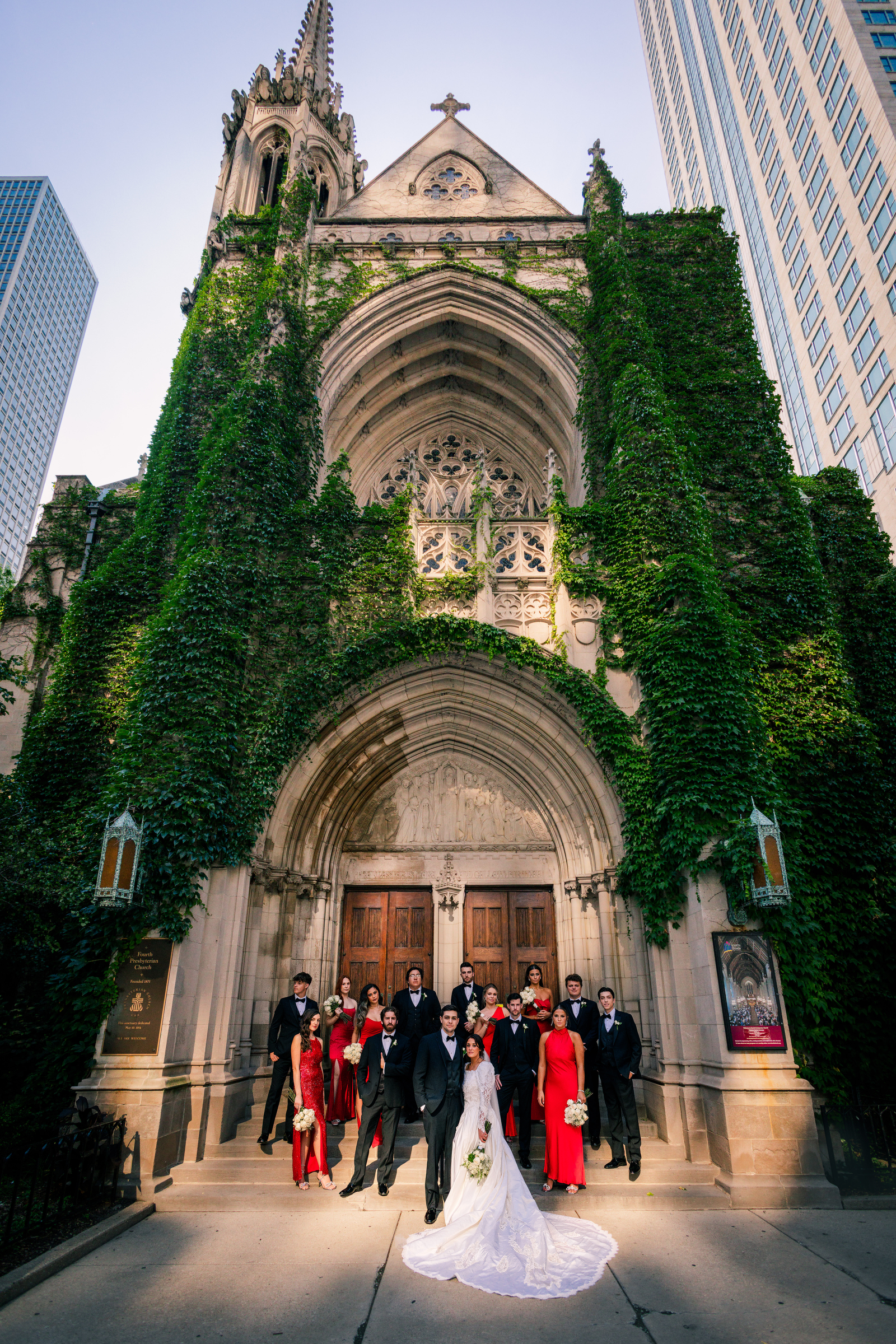
And Then There’s Life Insurance
This is probably one of those conversations most photographers would rather not have. I understand. But it’s an important one.
What happens to your business if something happens to you?
Not someday far in the future. What if it happened tomorrow?
Would someone know which weddings you have booked and where to find the contracts? Would they know which clients still have balances due, which galleries need to be delivered, or where your business accounts and important information are kept? And just as importantly, would your spouse or partner understand what they may suddenly be financially responsible for?
These aren’t easy things to think about, but planning for them is one of the kindest things you can do for the people you love, your clients, and the business you’ve worked so hard to build.
Life insurance isn’t simply about replacing your income. It’s about giving the people you leave behind time and options.
For your spouse or partner, that may mean having financial support while they’re navigating an incredibly difficult time. For your family, it can help replace income that suddenly disappears. And for your business, having a plan in place can help make sure your clients aren’t left wondering what happened to the photographer they trusted with one of the most important days of their lives.
Your clients may never know that you have life insurance or a plan for the unexpected. They don’t necessarily need to.
But you should know there is a plan.
One of the most helpful things you can do is create a simple business continuity document. It doesn’t need to be complicated. It just needs to give someone you trust a clear place to start. Include your active weddings, contracts, vendors, gallery information, payment schedules, insurance information, important account access, and the name of the person who should be contacted if you’re unable to work.
Because taking care of your clients isn’t only about creating beautiful photographs and delivering their galleries. It also means having a plan for the unexpected.

Make Your Future a Monthly Business Expense
Here’s something I’d love to challenge you to do starting this month: make saving for your future a regular part of running your business.
Think about emergency savings, retirement, and financial protection in the same way you think about your website subscription, camera insurance, editing software, or any of the other expenses that keep your business running.
Because your future is just as important.
Maybe you can put $100 a month into savings and another $100 toward retirement. Maybe you’re in a place where you can do $500 or $1,000. There isn’t one number that works for everyone, and that’s okay.
What matters is that you start.
Set up automatic transfers so you don’t have to make the decision every month. Then, as your business grows and your income changes, revisit those numbers and increase them when you can.
Your future deserves a place in your budget just as much as your next wedding does.
I learned how important this was in a way I never expected.
My spinal fusion wasn’t something I planned for. I had no idea that a destination wedding in Mexico would be followed just three weeks later by surgery. I didn’t know I would spend the next year in physical therapy, or that I would have to learn how to walk again.
But I did know how to save.
And that mattered.
While I was lying in bed recovering, I wasn’t only thinking about when I could get back to work. I started thinking about what I wanted my business—and my life—to look like in the future.
I was dreaming. I was planning. And little by little, I was building.
Because the goal isn’t simply to make it through this year’s wedding season. The bigger goal is to create a business and a financial future that can carry you through all the seasons of your life.
The truth is, our cameras aren’t going to hang from our shoulders forever. Our backs and knees may eventually have something to say about those 12-hour wedding days. And at some point, every photographer has to think about what comes after the wedding day.
So start planning now for the photographer you’ll be ten, twenty, or thirty years from today.
Maybe that photographer isn’t shooting 30 weddings a year anymore. Maybe they want to slow down and spend more time with their family. Maybe they want to travel, teach, mentor other photographers, start something completely new, or simply enjoy retirement.
Or maybe, like me, life throws them something they never saw coming and they suddenly can’t work for six months.
Whatever your future looks like, give yourself choices.
You’ve spent years building a business that takes care of your clients.
Your future isn't separate from your photography business. Your future is part of the business plan. And the best thing you can do today is make sure the person you're becoming is taken care of by the person you are right now.

This article is for educational purposes only and isn't financial, tax, insurance or investment advice. Contribution limits, eligibility and tax treatment can change, so consult your CPA, financial advisor or licensed insurance professional about what makes sense for your specific situation.


