



The Journey of a Wedding Photographer
I've had the pleasure of knowing Ben Chrisman of Chrisman Studios for more than 20 years. He was one of the first wedding photographers I ever called a friend, and I've admired both his work and the person he is ever since.
The following story is about how Ben found wedding photography. Some pick up a camera because they love photography. Others discover weddings by chance. But now and then, you come across a story that reminds you this job is about so much more than beautiful images.
This is one of those stories.
It's an honest reflection on choosing a different path, learning what truly matters, and discovering that the most important photographs aren't always the most creative ones; they're the ones that help people remember how they felt at that moment.
From first working in newspaper photojournalism to photographing weddings around the world, this journey is a reminder that the best wedding photography isn't about following trends or chasing awards. It's about people, connection, and preserving the moments that become part of a family's history.
Whether you're a photographer, someone planning your wedding, or simply someone who believes in the power of storytelling, Ben's story is worth slowing down for.
I didn't become a photographer because I like cameras.
I became a photographer because I like people.
And I became a wedding photographer because I didn’t want to die being a war photographer.
Or maybe it was the money I heard you could make with weddings. In the early 2000s, I was earning just $18,000 a year as a newspaper photographer. Around that time, I heard Matt Mendelsohn, a former photojournalist who had started photographing weddings, speak at a photography conference. He said you could make $5,000 for just one wedding. I looked at my best friend, and fellow newspaper photographer, Brett Butterstein and said “I think I just became a wedding photographer.”
But, in choosing weddings over war, it’s just as possible I simply didn’t have the guts to be like my journalism heroes. This is what tortures me.
I ask myself a lot which one it was, and there are a few days every year when I regret not buying that flak jacket and ticket to Iraq. It was only, ironically, my own future wedding photographer Craig Fritz who influenced my direction back then. Craig was one of the best photojournalists in the country, and one of the people I looked up to the most. What he said mattered to me. My daughter and wife probably thank him for that one lunch that changed my future forever. He told me not to go.
“I’m not sure you should do that,” he told me. “I’m scared you’re going to get in over your head.”
Instead, he recommended I go to Southeast Asia to photograph the devastation from the December 2004 tsunami. It was still a story that needed to be told, but without the violence and threat of war. So off to Asia I went in January 2005, at age 27, having just quit my newspaper job, wearing baggy green Patagonia pants Brett gave me (I still wear them), a shirt that looked like I was in a safari gone wrong, and a World War II army backpack that completely cut off the circulation in my shoulders to the point I had to let the bag fall off me because I couldn’t lift my arms to remove it. I had no idea what I was doing, but I was doing it.
After two months in Sri Lanka, Cambodia and Indonesia I came home, broke, and wondered what to do next.
I could have stayed in journalism and made a difference. I could have helped bring stories to the general public that were being overlooked or ignored. I loved being a photojournalist, but I don’t know if I would be alive to write this had I gone to Iraq like I was planning to.
Life had a different course for me.
I photographed my first wedding when I was 20. It was my high school friend’s wedding. I had just majored in photojournalism, so I had a camera. The couple asked. Or I offered. I can’t remember. They are still married. I had no idea weddings would become my entire life seven years later.
I didn’t - and still don’t - have a lot of fear when I’m taking photos. That probably would have gotten me killed pretty quickly in war.
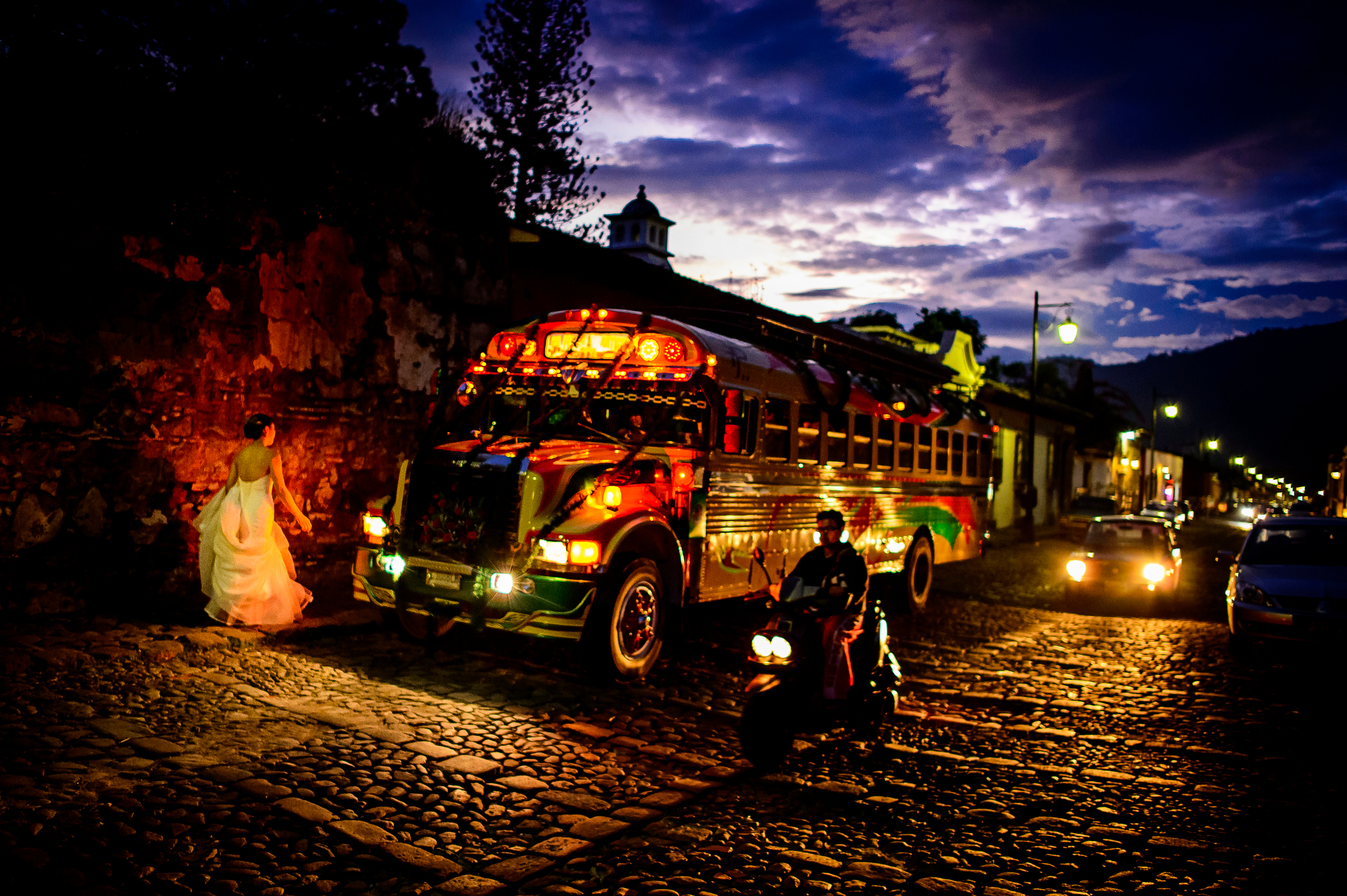
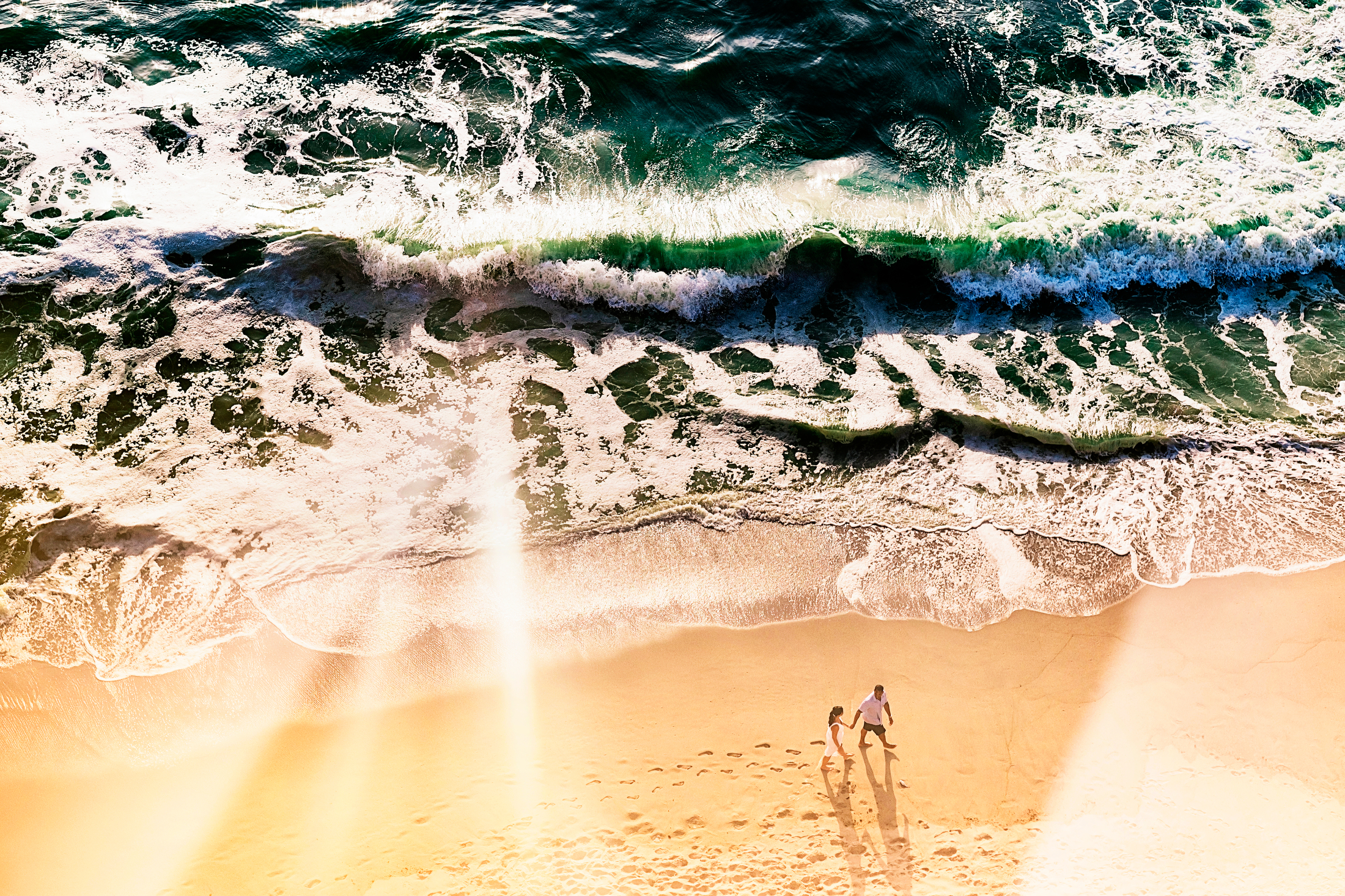
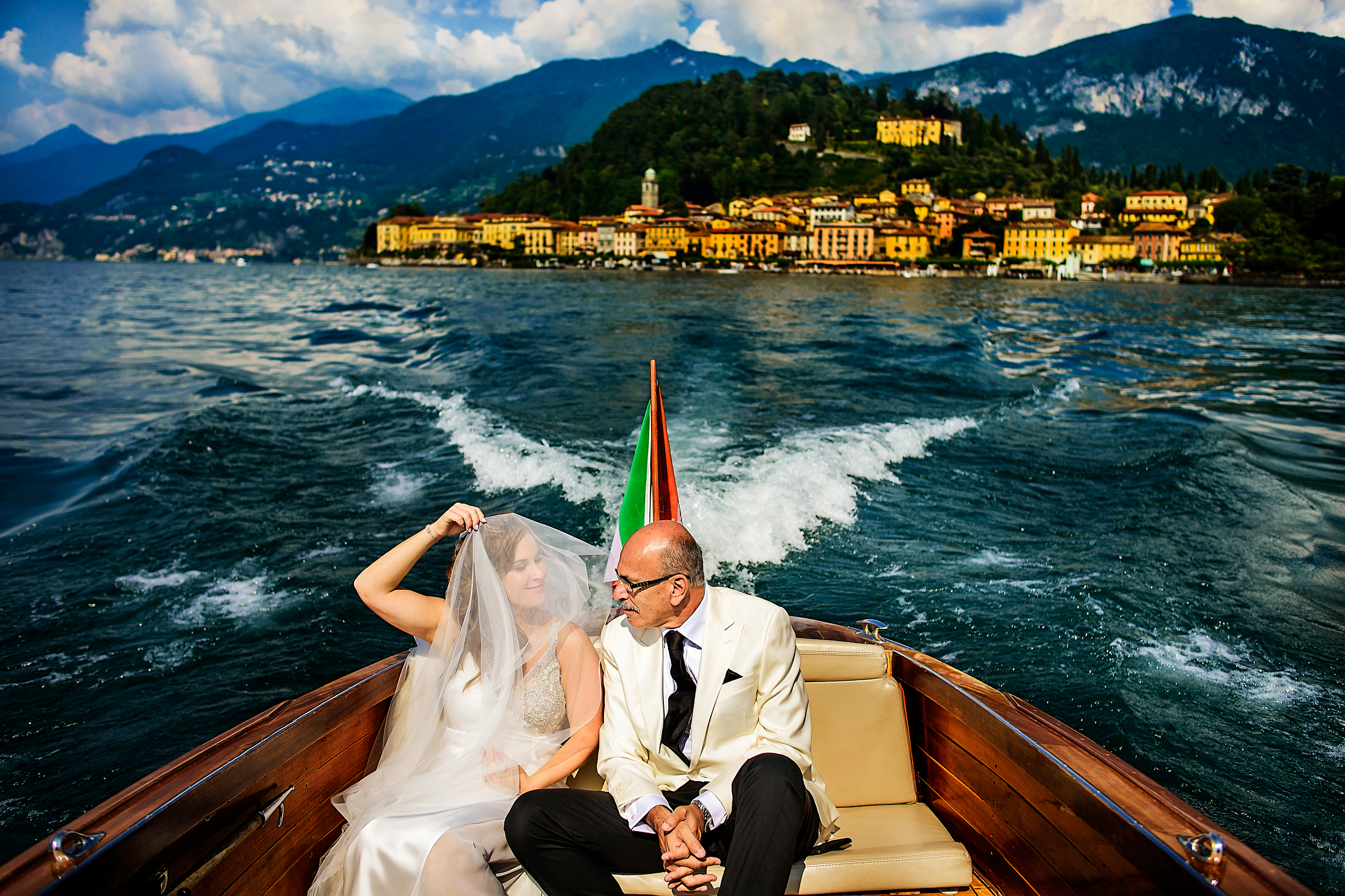
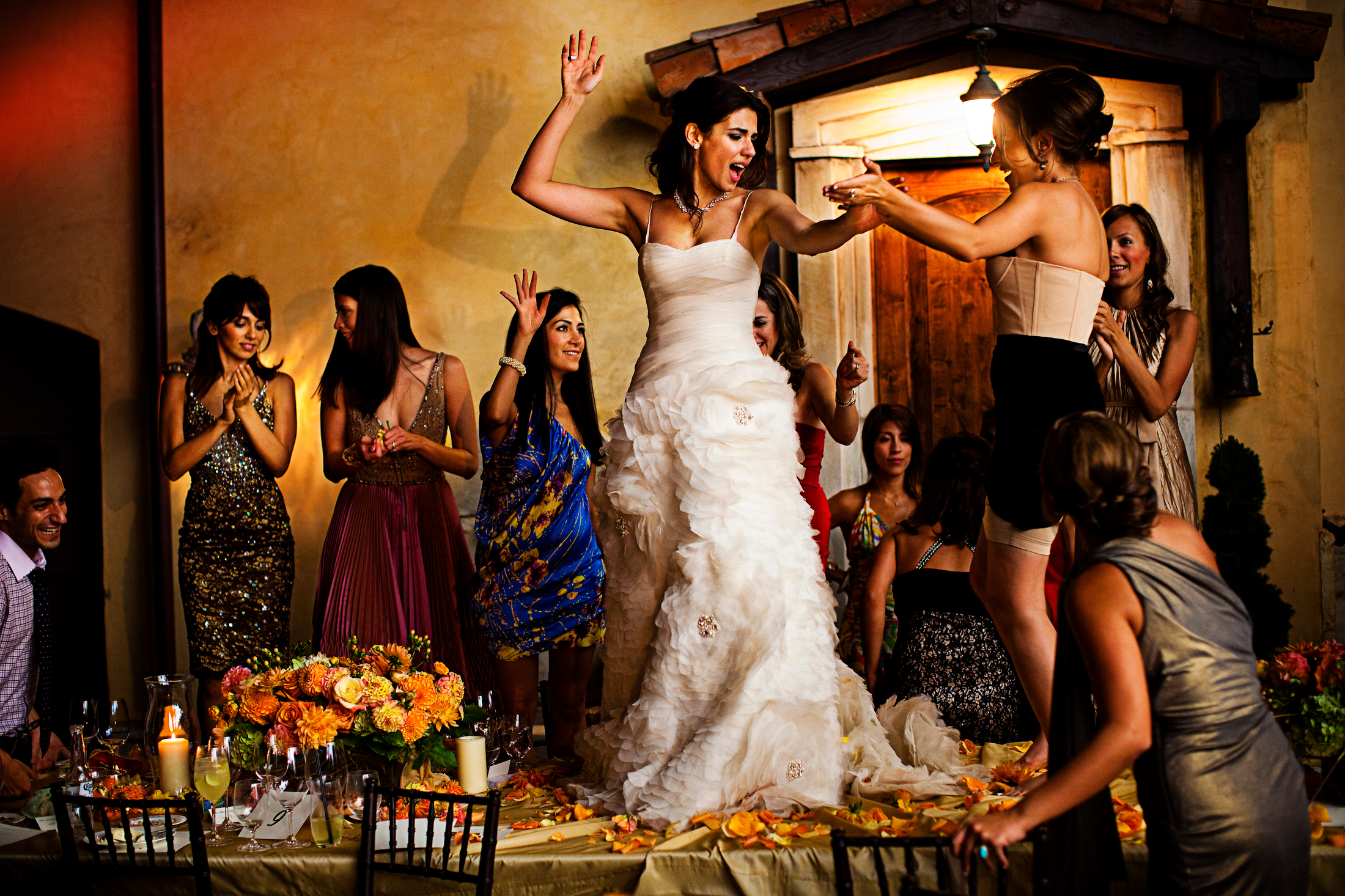
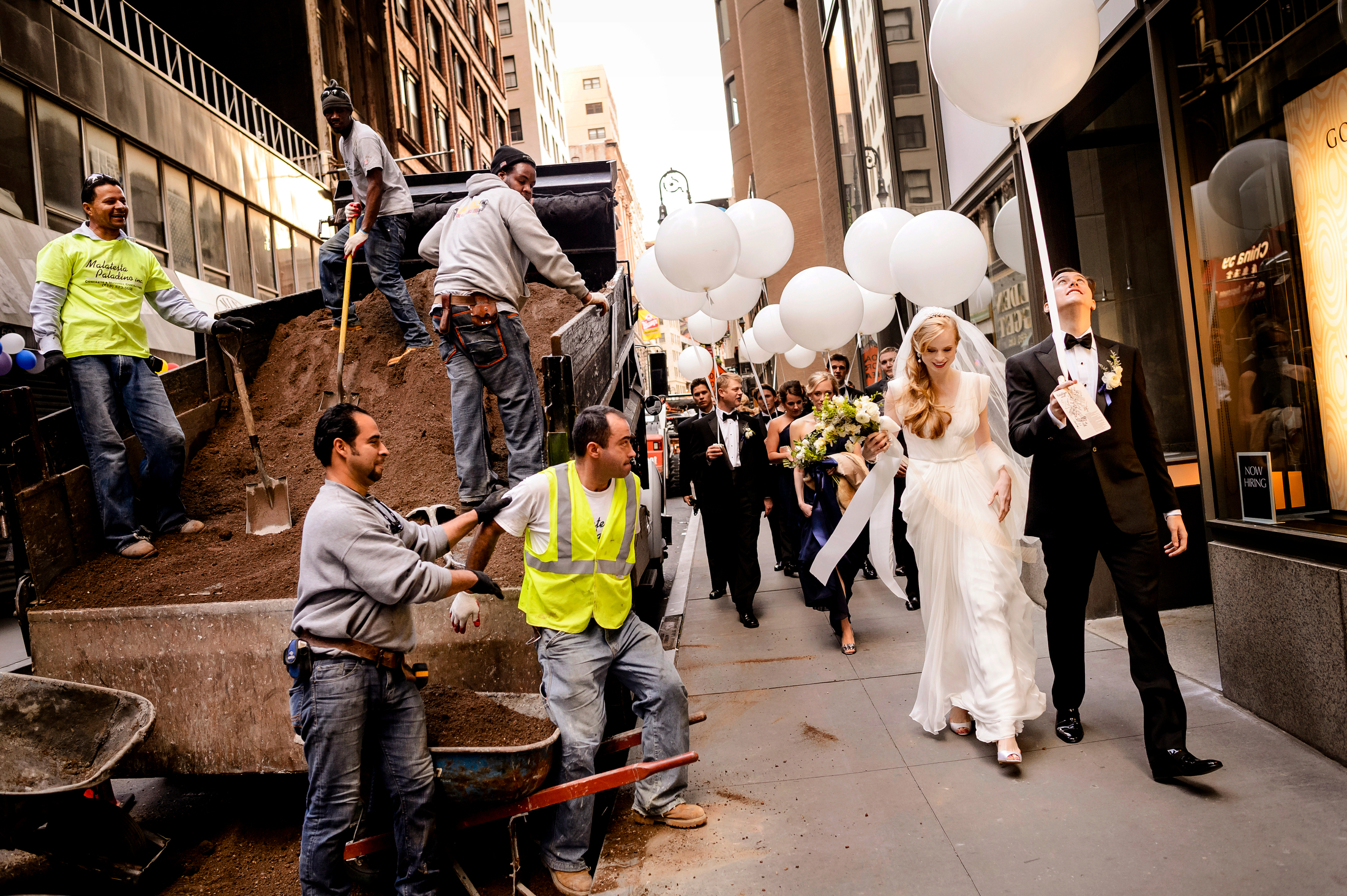
But at a wedding, it made me feel invincible. I didn’t hesitate to go where people didn’t expect me. Or want me. More experienced wedding photographers would have been horrified. They would have said the future of photography is a disgrace based on the unorthodox things I was doing. But I didn’t know the rules. I didn’t want to know the rules. I wanted to make my own way of photographing an event that for so long had felt expected, typical, precious.
Boring.
I wanted to bring all the aspects of photography I loved into a world that didn’t yet have any of those things, at least that I could see.
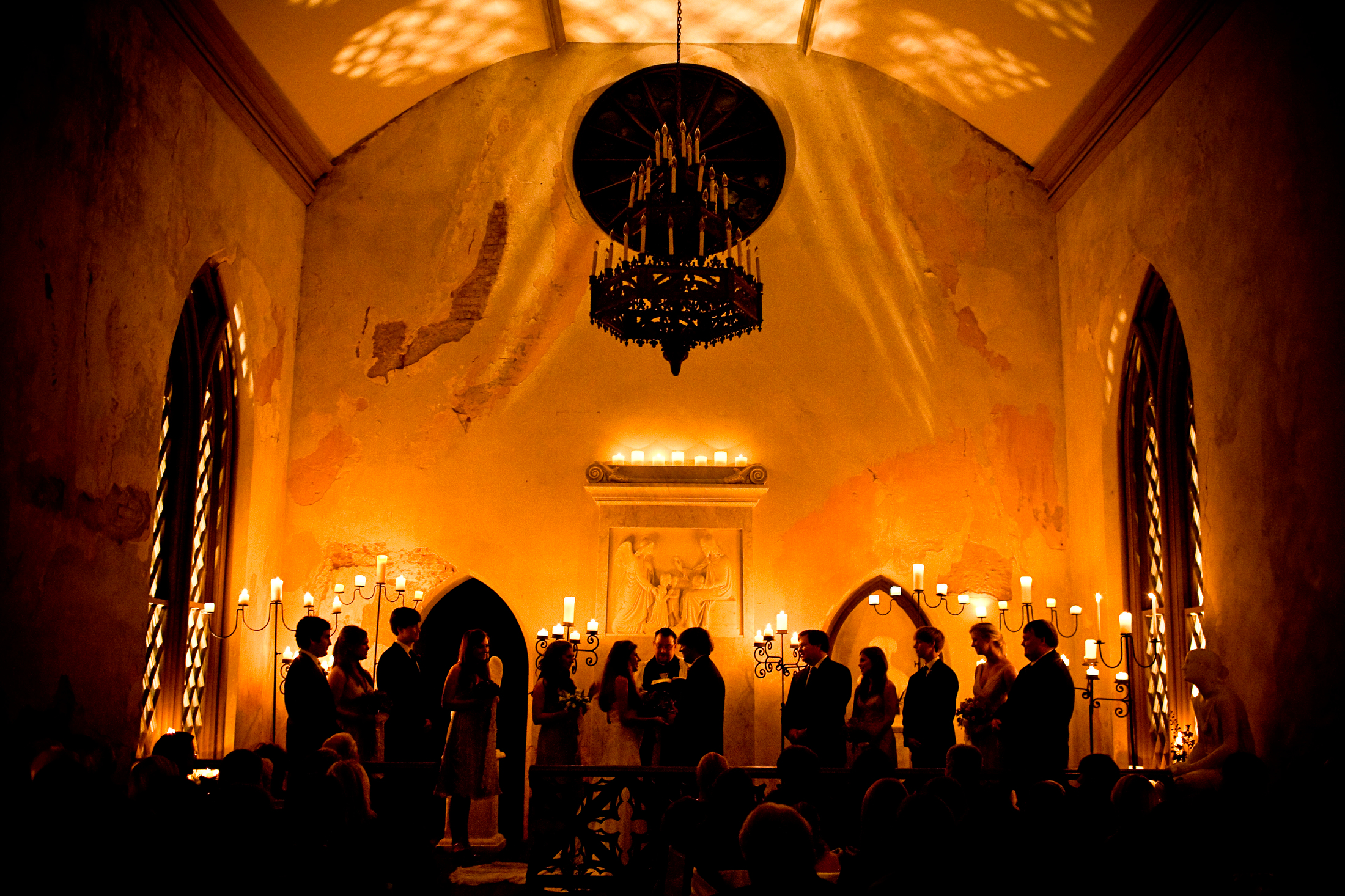
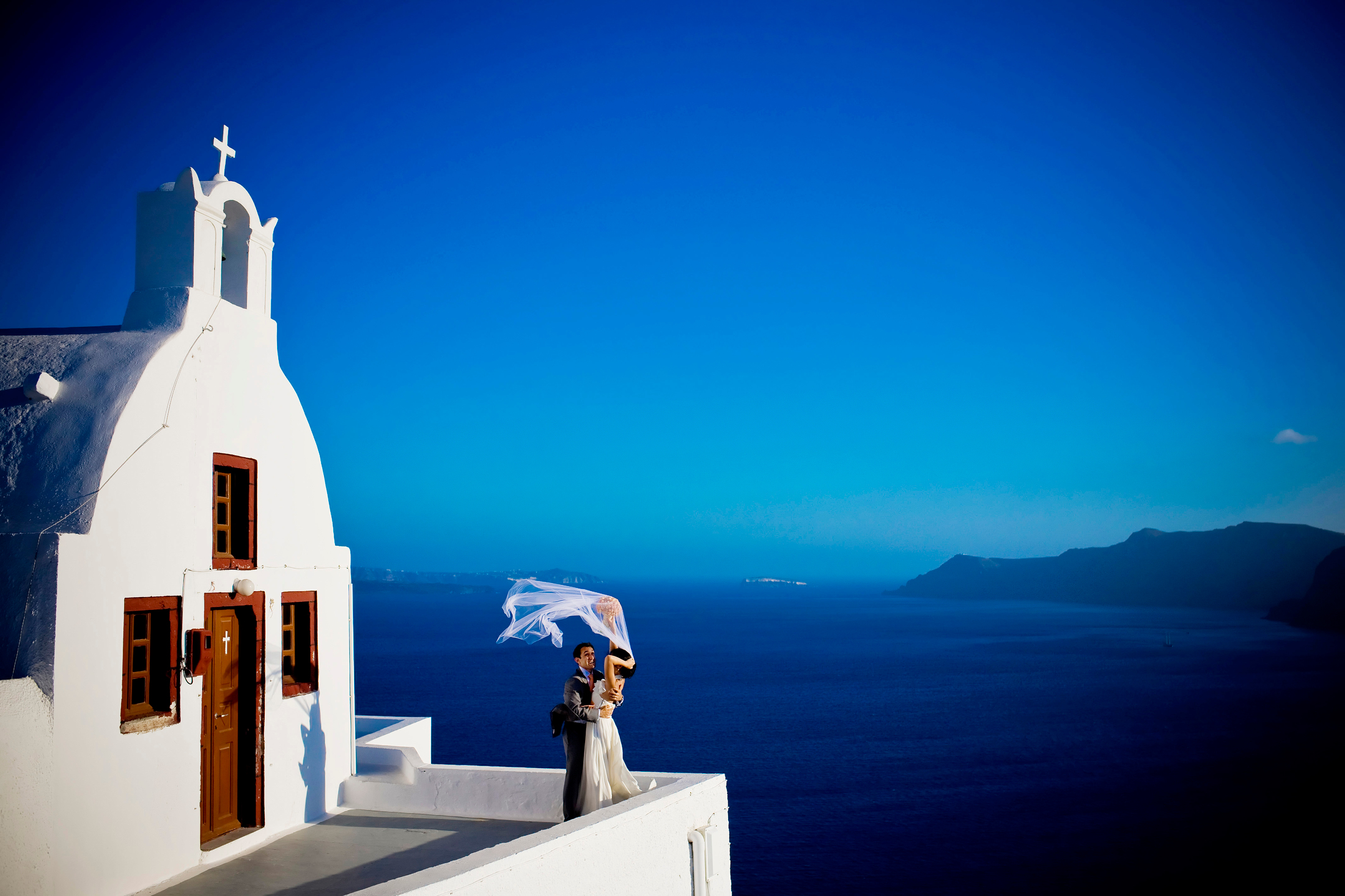
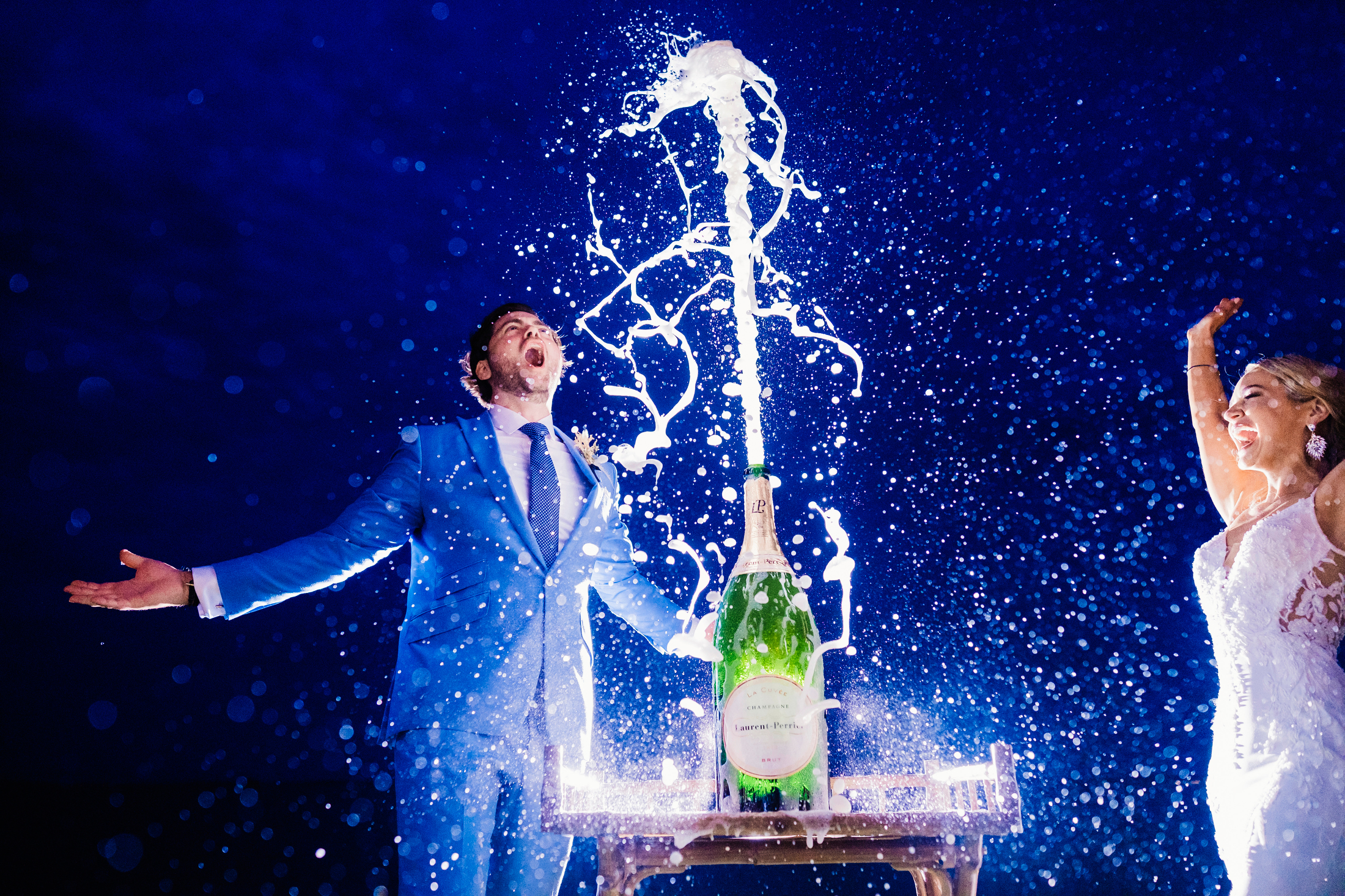
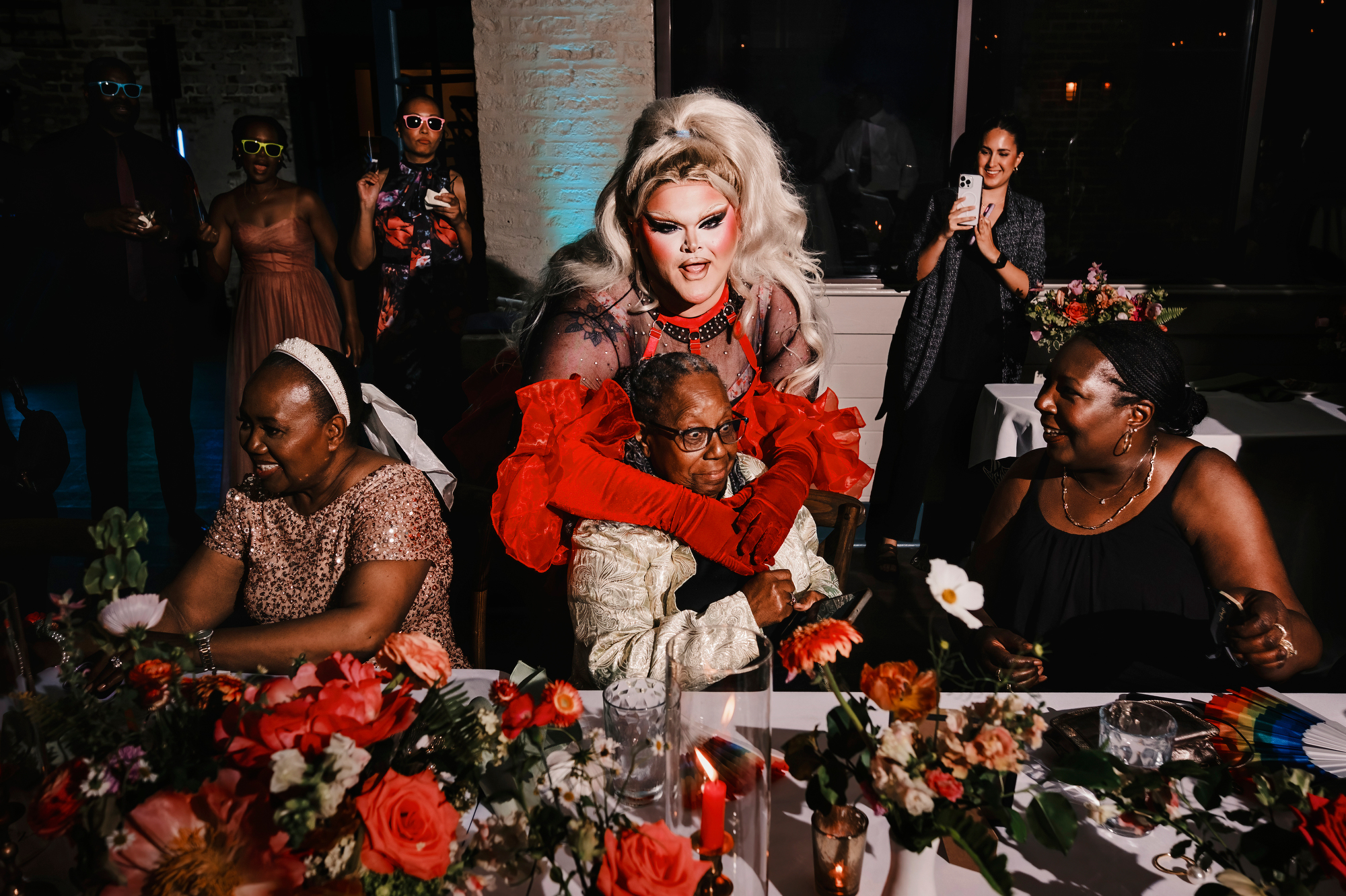
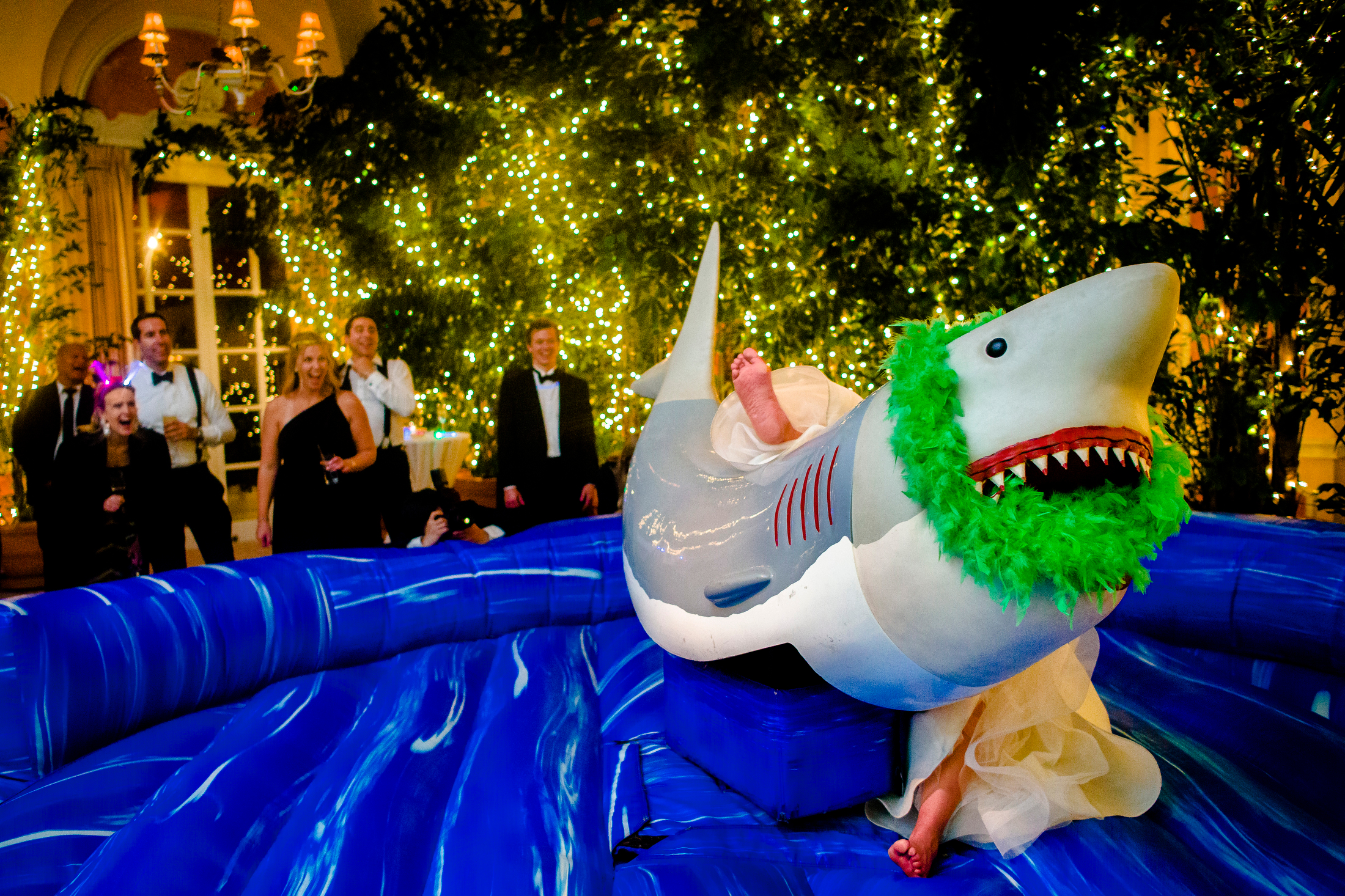
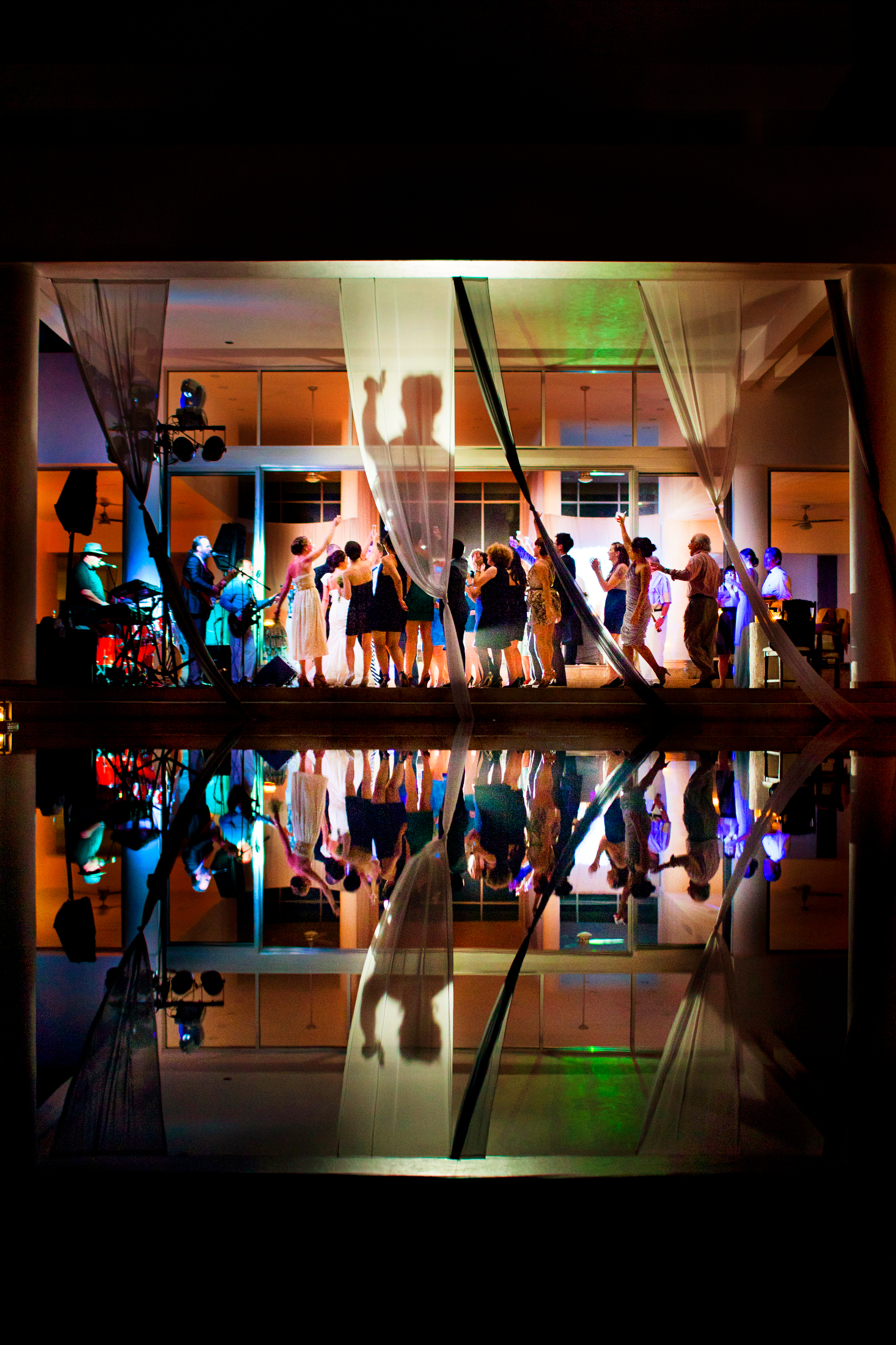
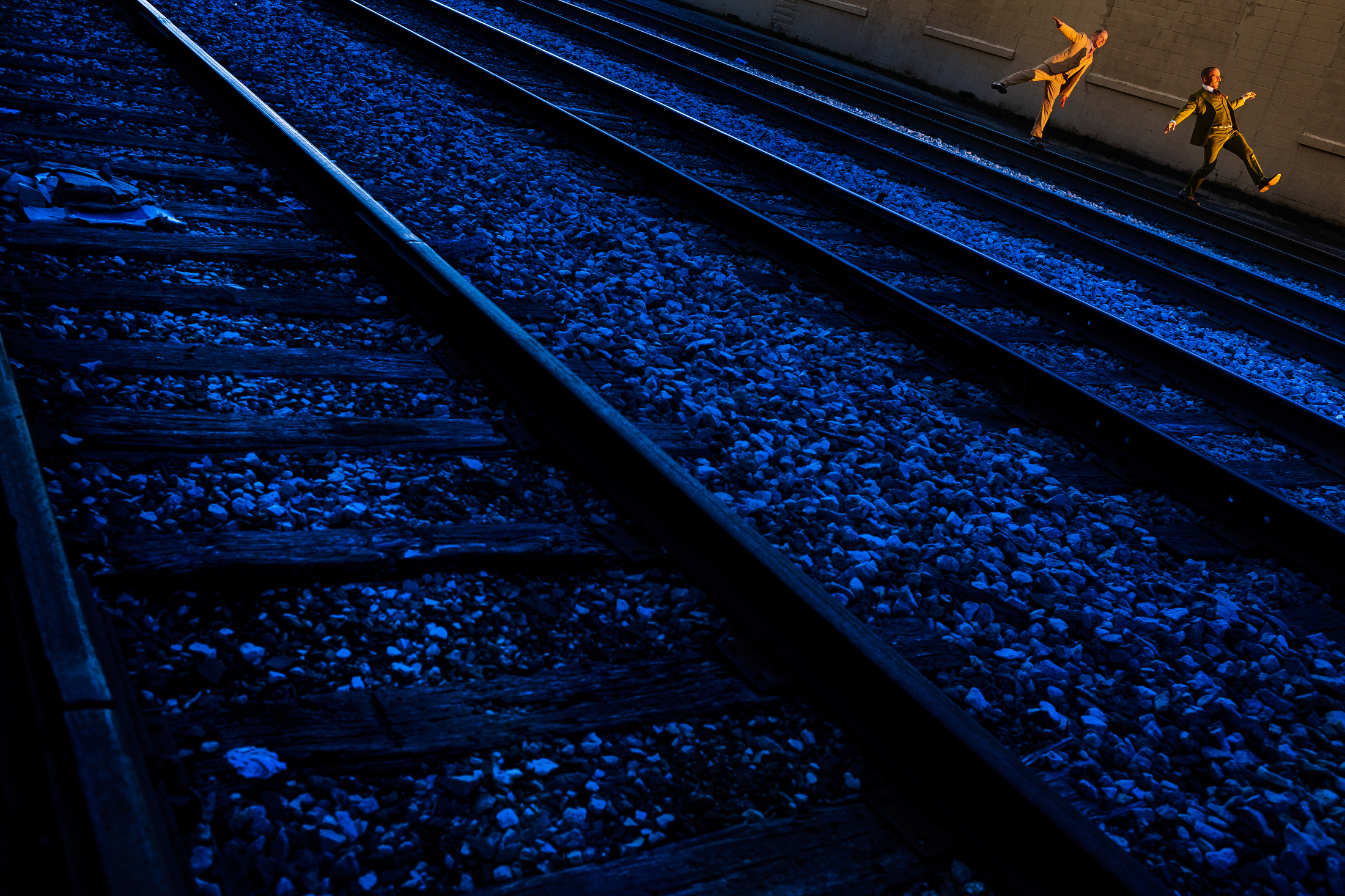
Shadows. Reflections. Extreme negative space. Intense color. No posing. No directing. All in, just like my photojournalism heroes had taught me.
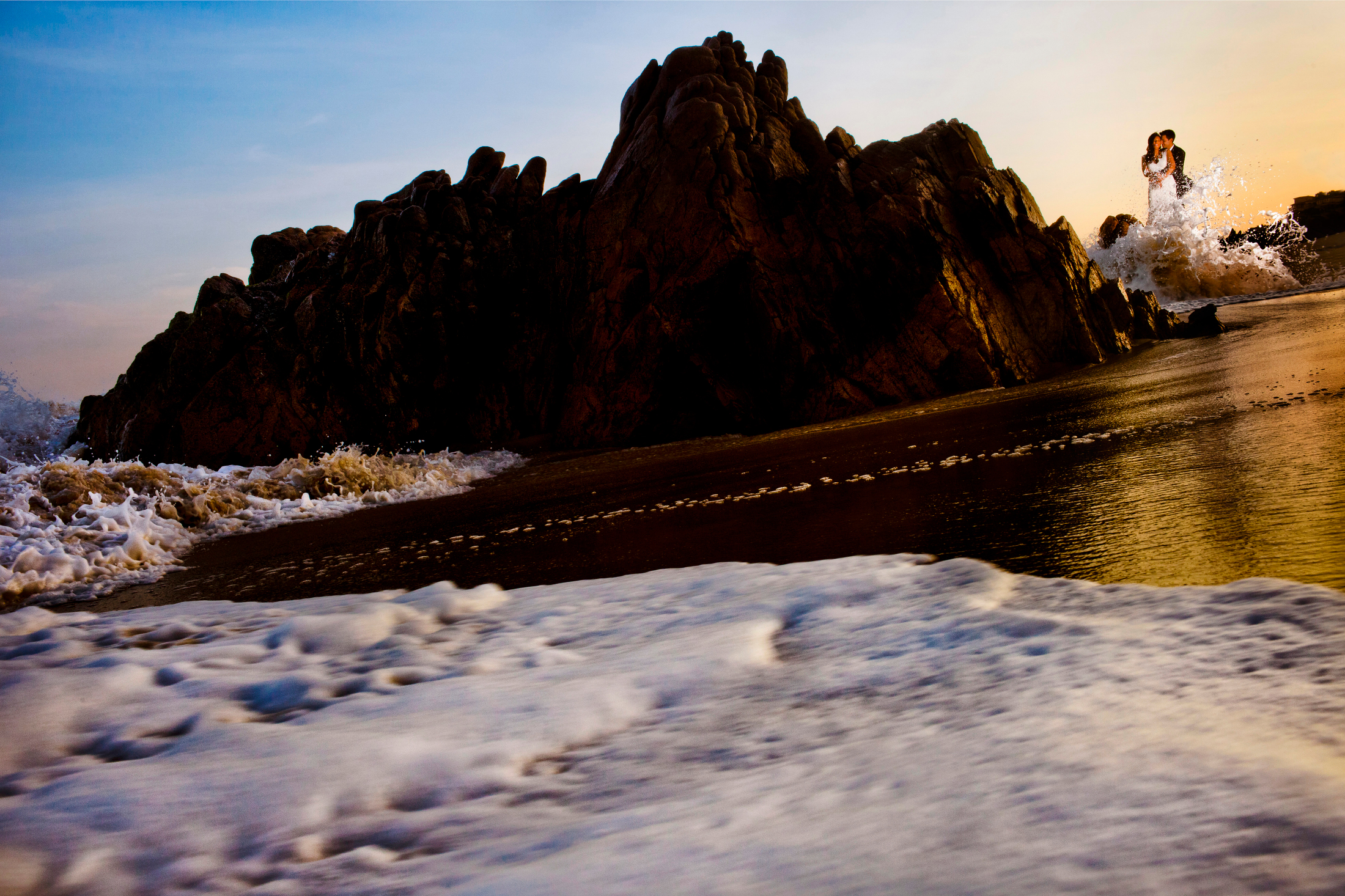
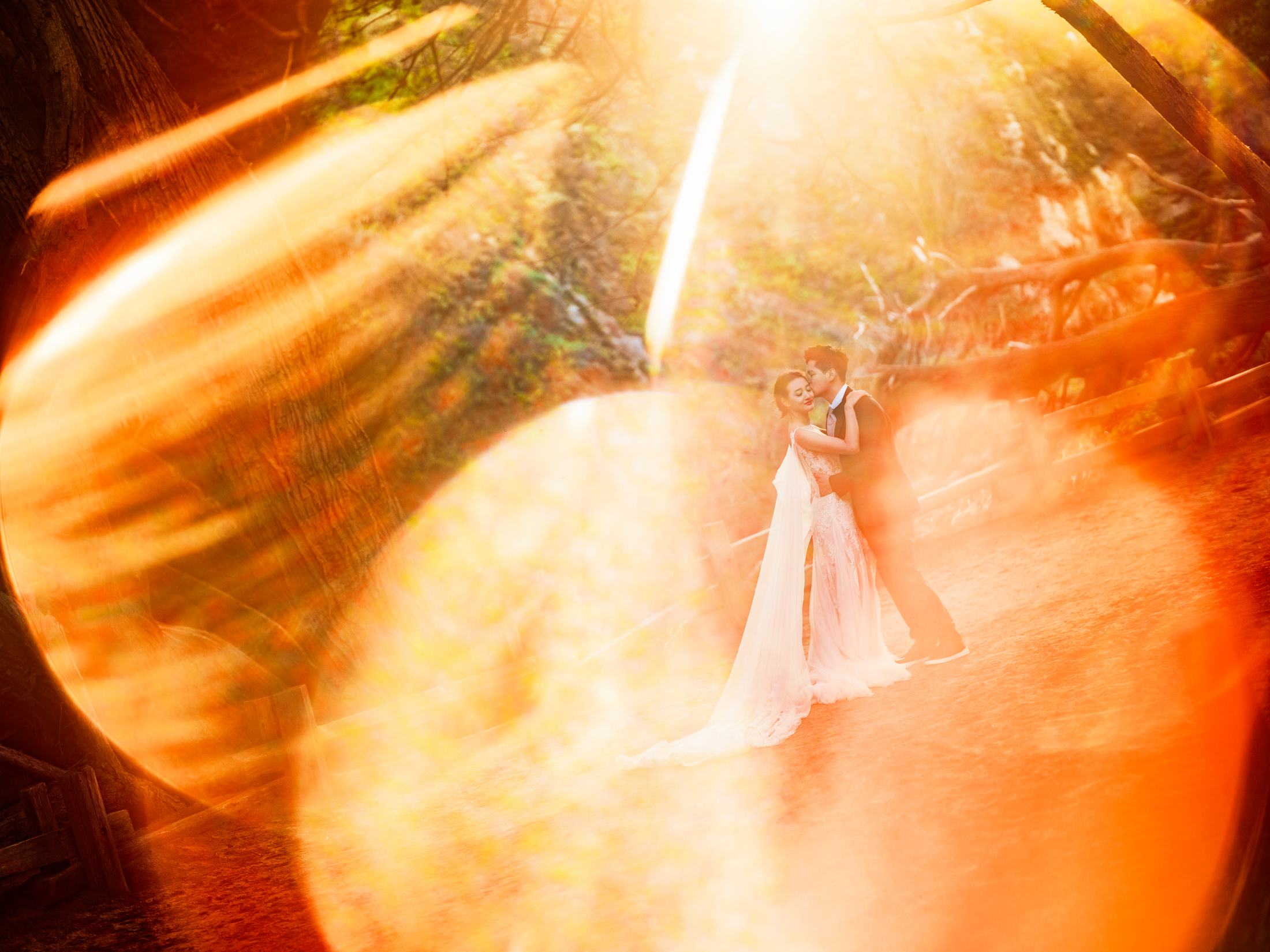
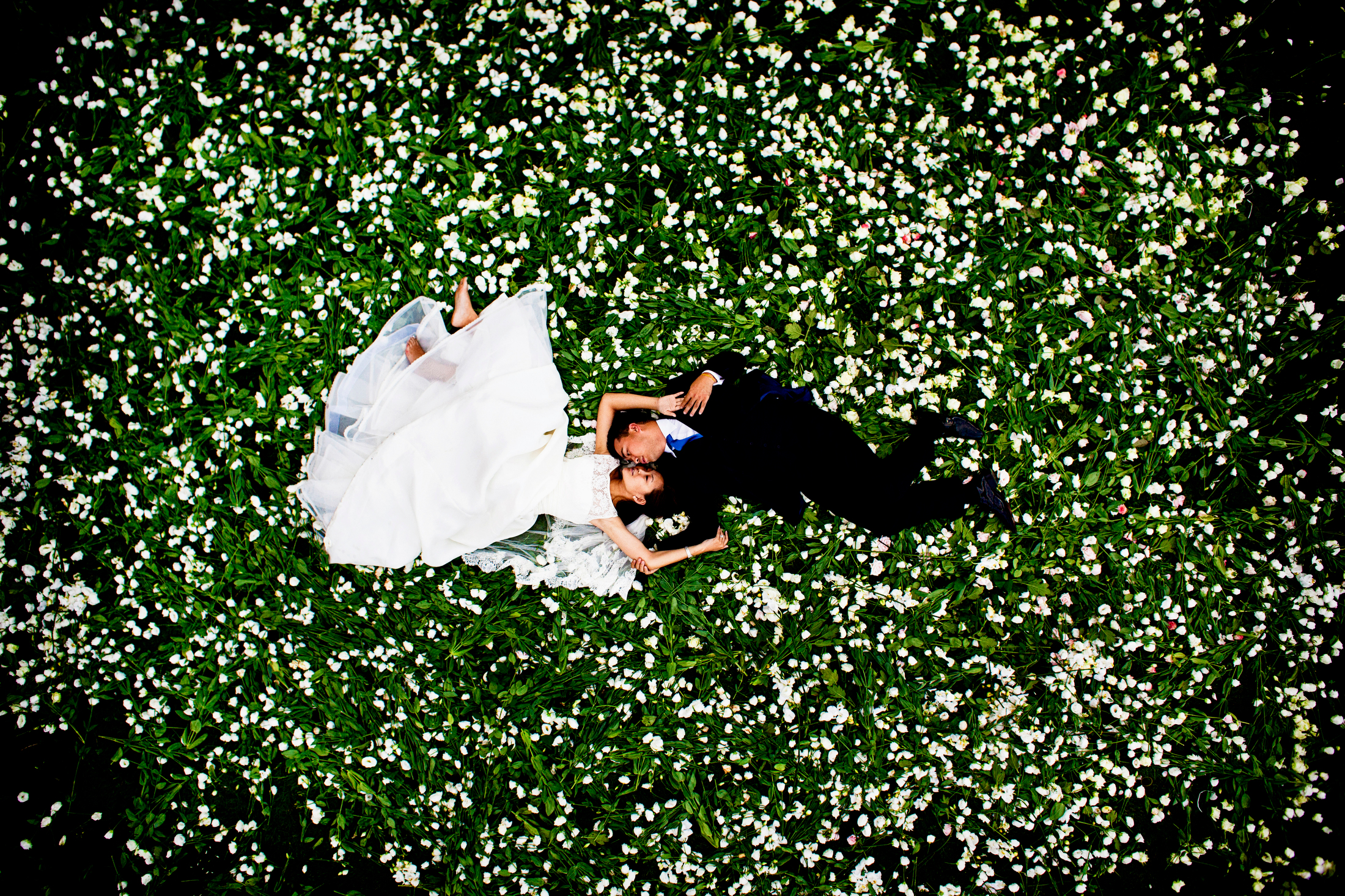
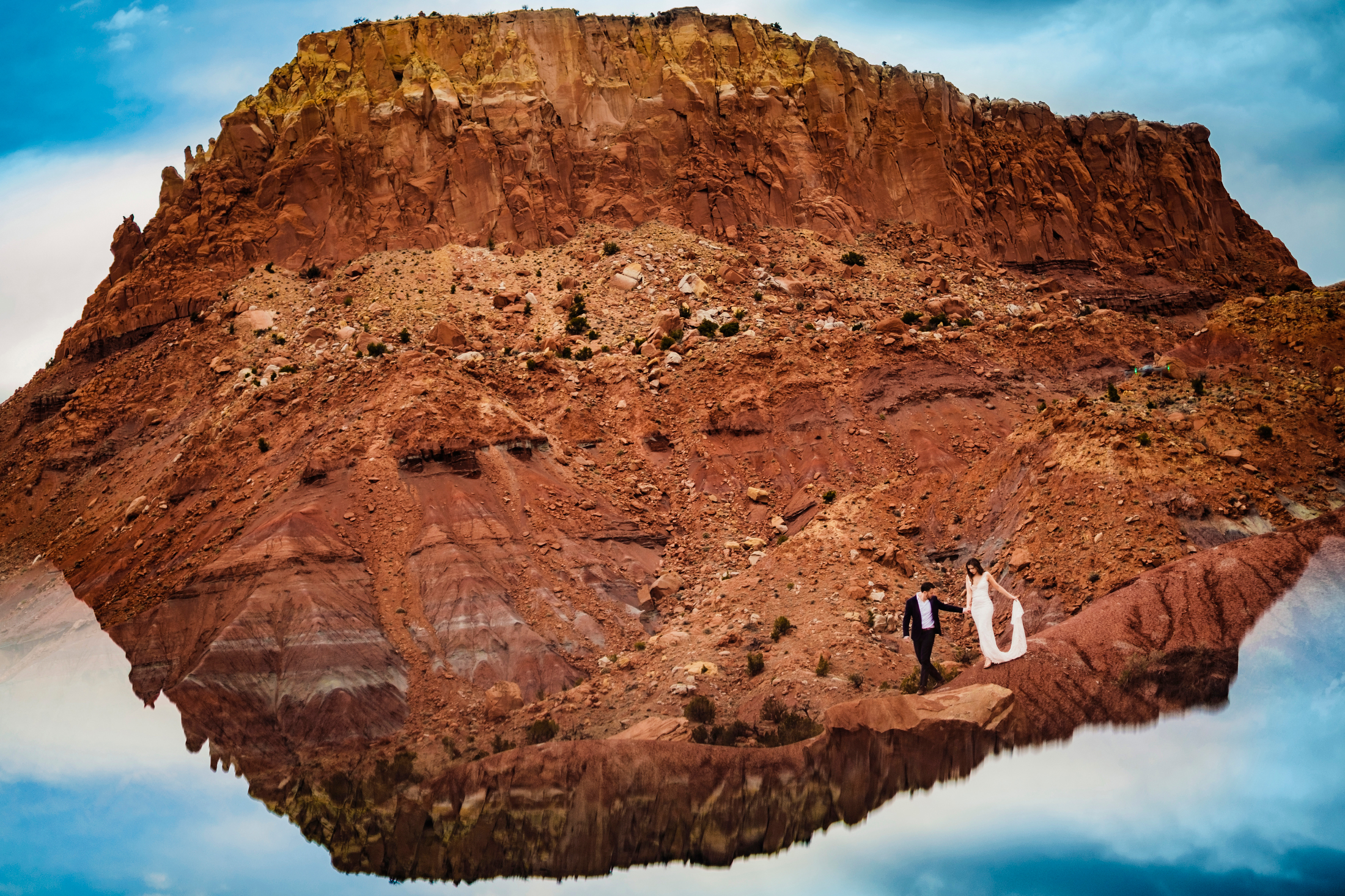
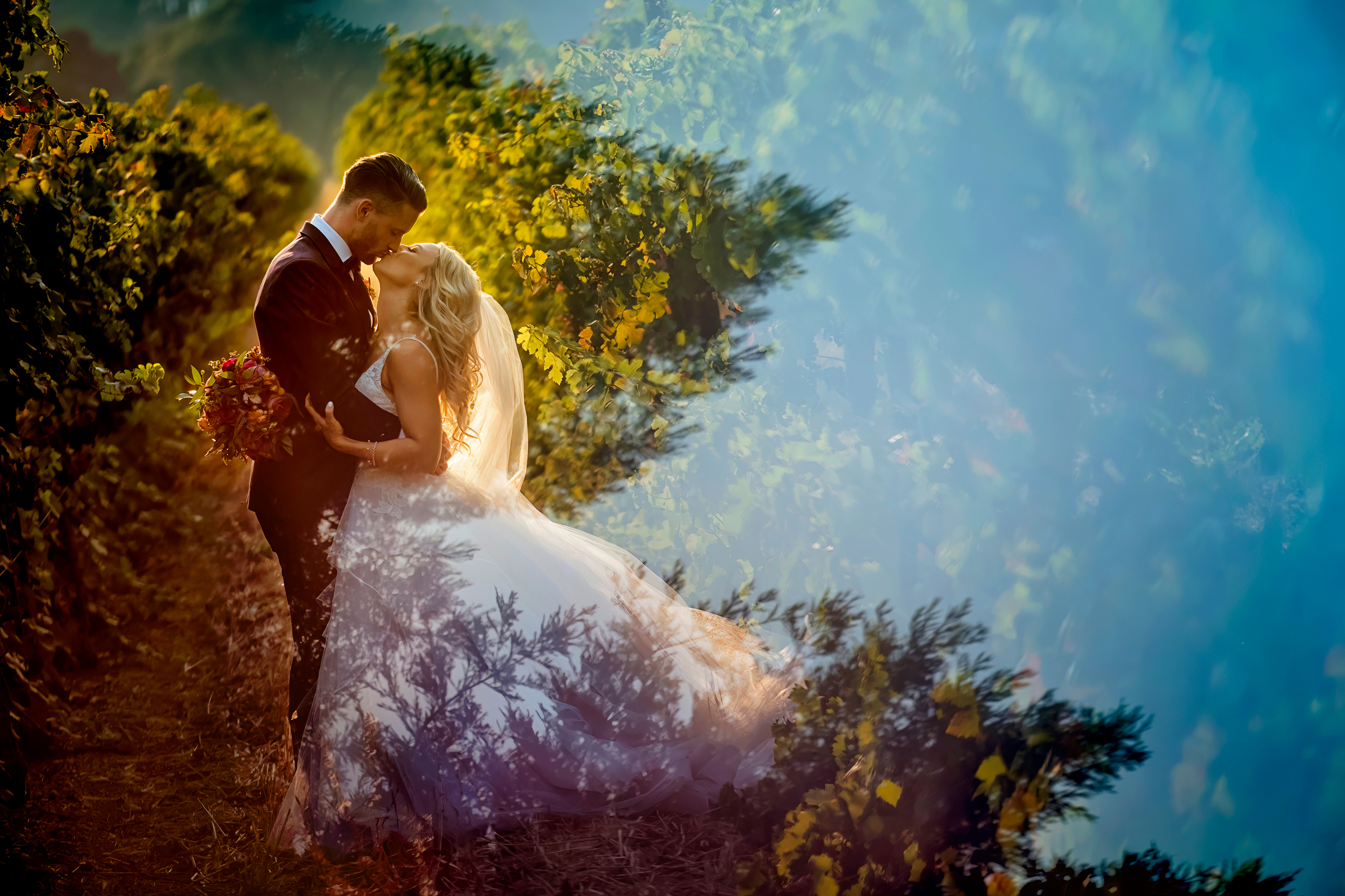
And it worked. I booked more weddings. I stood out. In 2008 I was named Photographer of the Year by the Wedding Photojournalist Association. That same year, I was also named to American Photo Magazine’s Top 10 Wedding Photographers of the World.
I somehow got into a world of clients that liked my abstract documentary narratives, and they took me with them wherever they went. They still do.
Over 25 countries. All over the United States. You name a nice resort, I have probably been there with a story to tell about it.
If I had to start over and do it all again?
I don’t know if I could.
Photographers are good now. Like, really, really good. They are creative. They break the rules without thinking. They have the energy. They don’t know what they don’t know. And that’s a gift.
I was that person at 27. I have seen at least three generations of wedding photographers start up since I was that young guy. Most of those photographers aren’t photographers anymore though. This career is hard. It’s a daily hustle, a balance of giving our all to our clients while working with the ever-changing whims of Google and social media to continue to get new work. But that’s probably why I am so proud to still be a real-life, working photographer. And it gives me a perspective on what’s important.
Those old wedding photographers I thought were taking such boring photos 25 to 30 years ago? I don’t think they are boring anymore. I think they were doing everything exactly right. I admire them more than I could ever say. They were working with challenging film cameras. Limited lighting options. Completely different expectations. It needed to be perfect right out of the camera, and the negative would prove their failure or success.
They were the ultimate pros. And, slowly, I have started to grasp how to be more like them, not less.
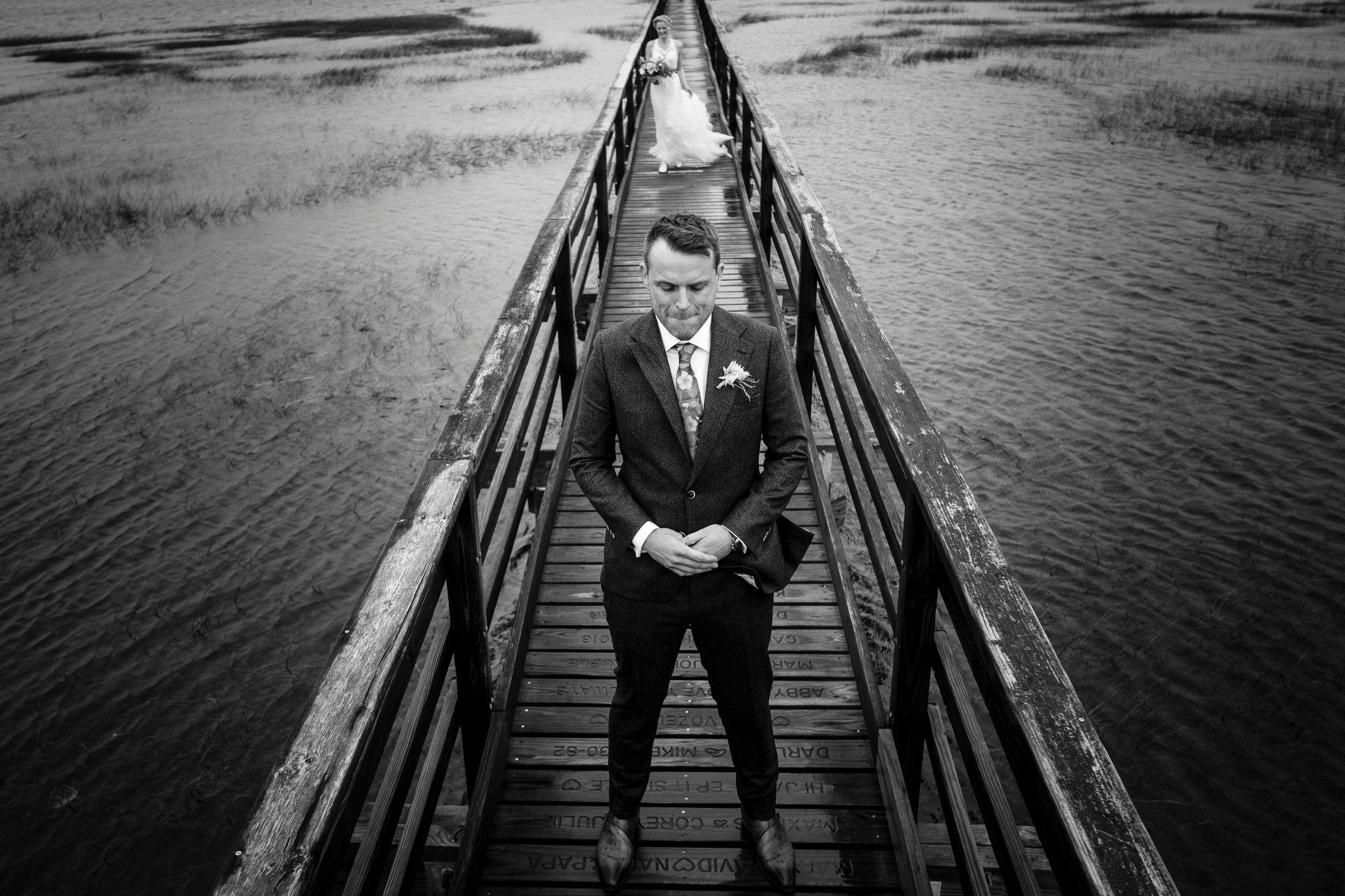
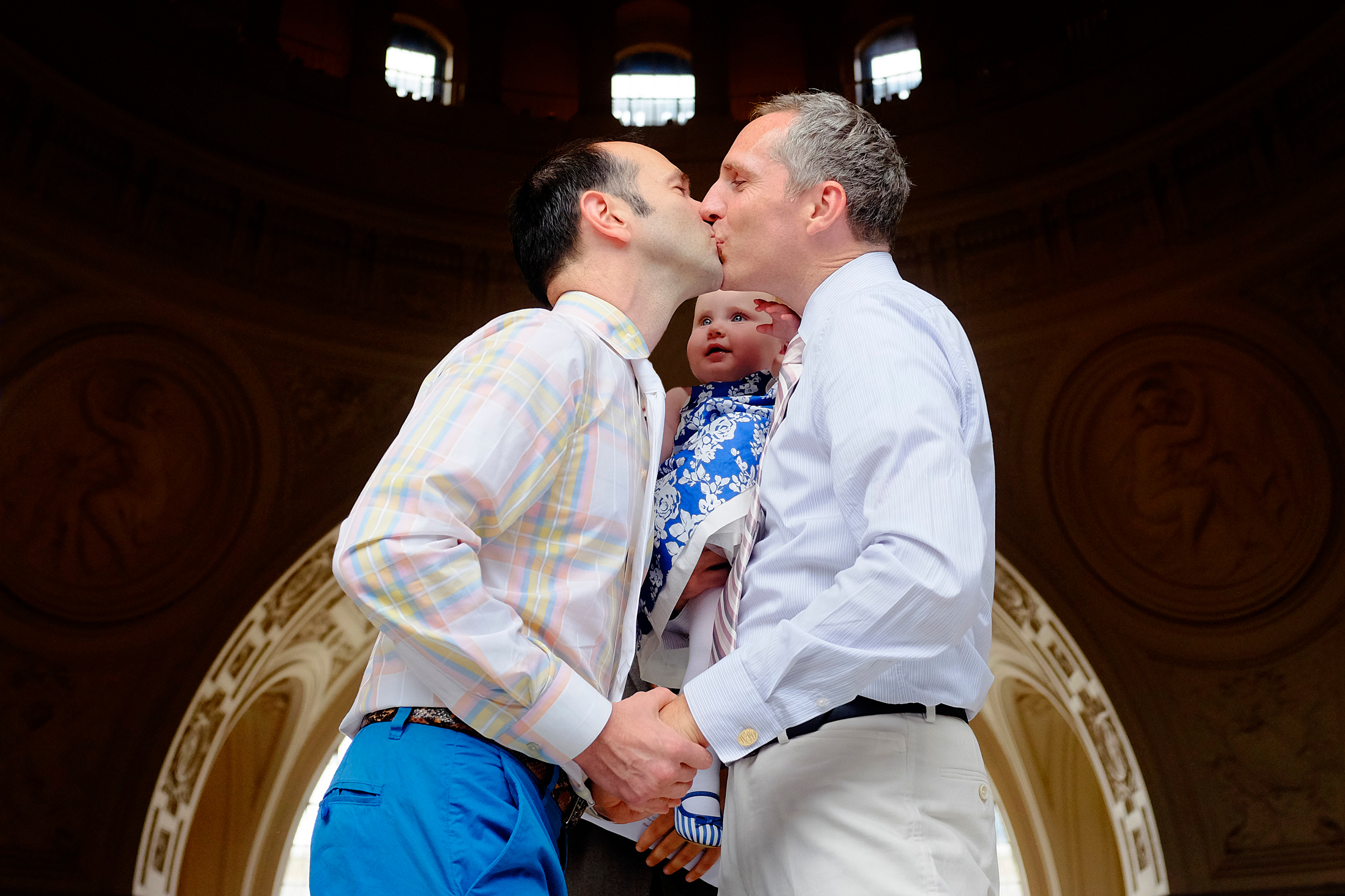
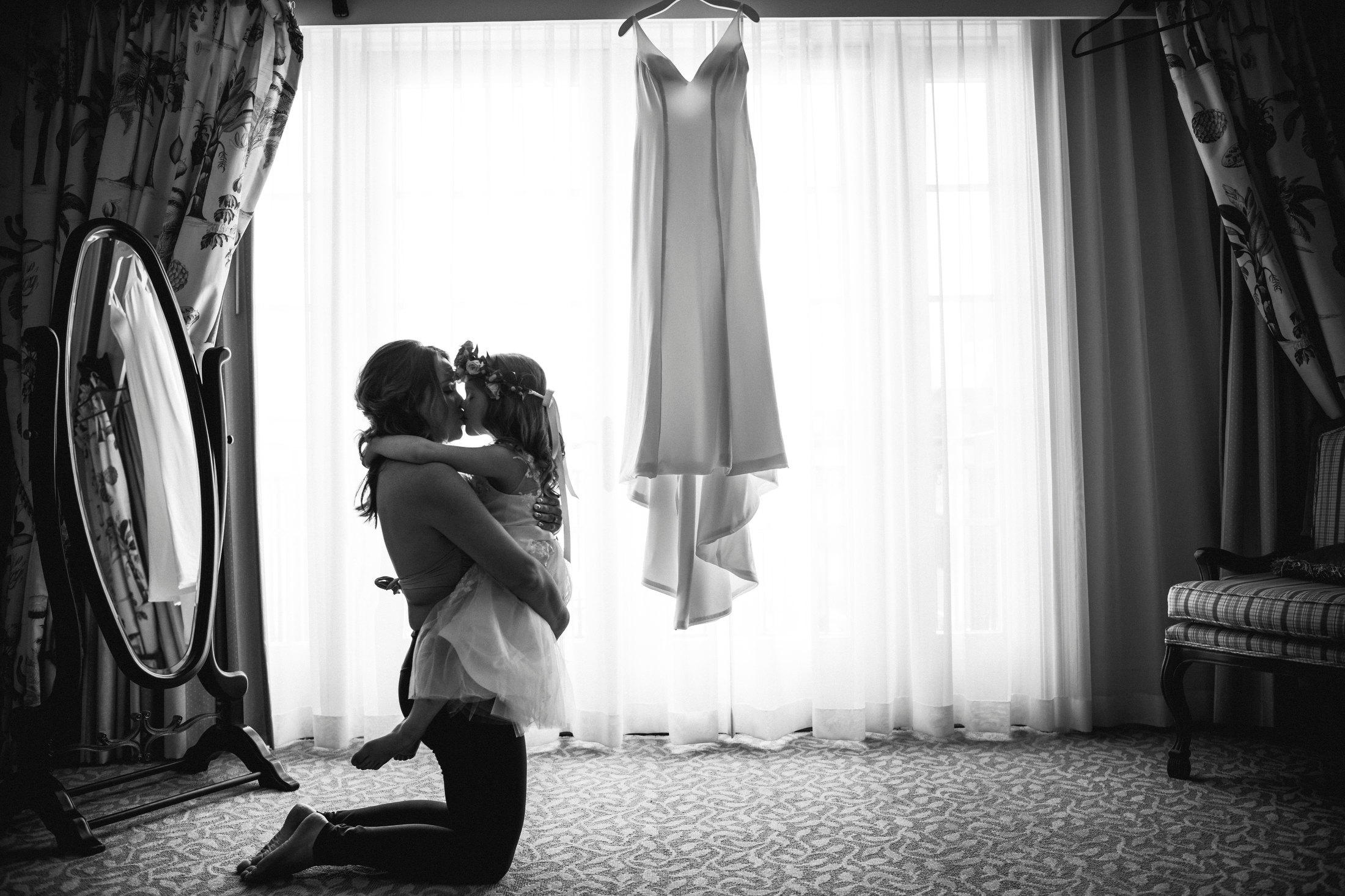
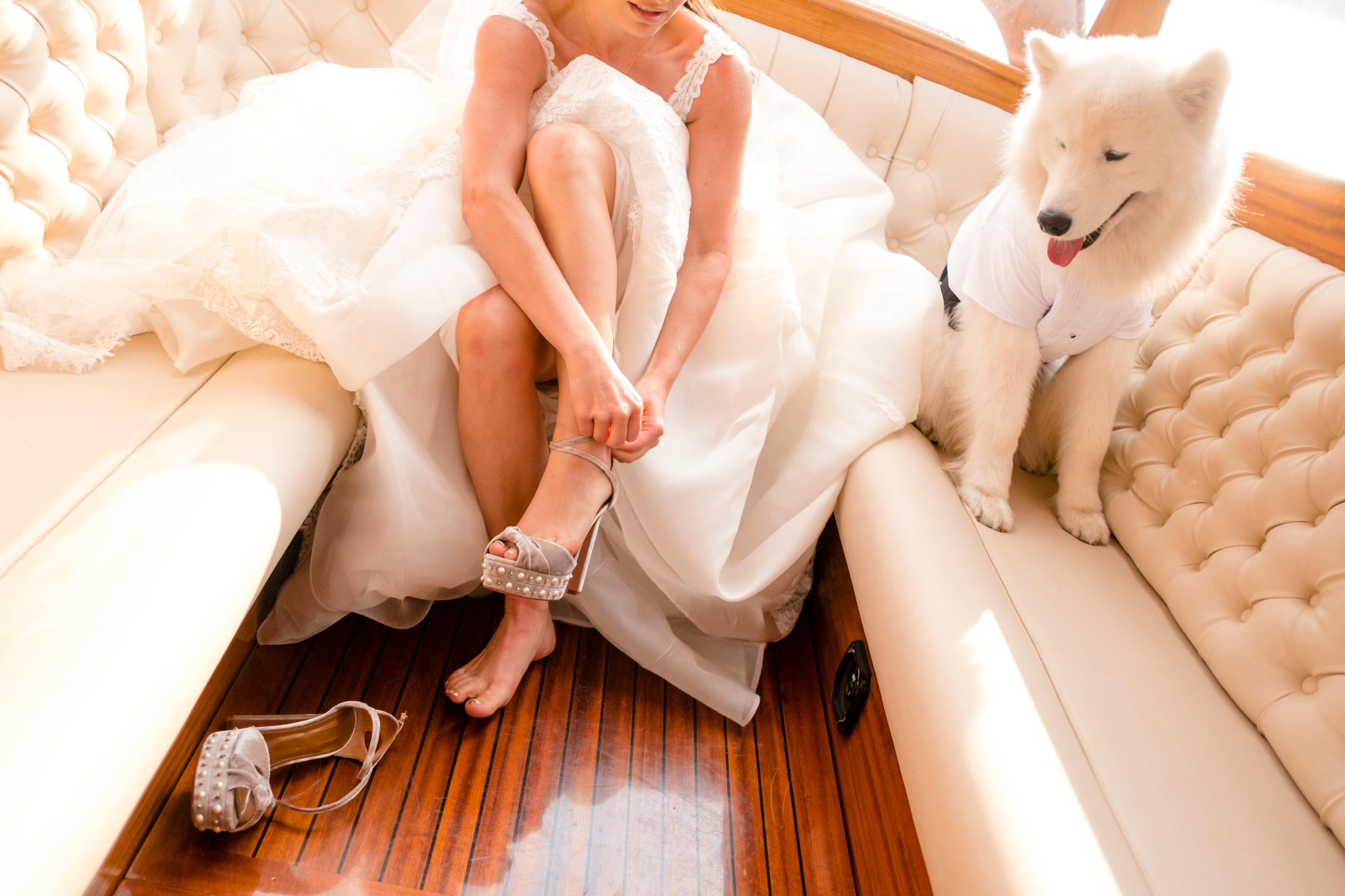
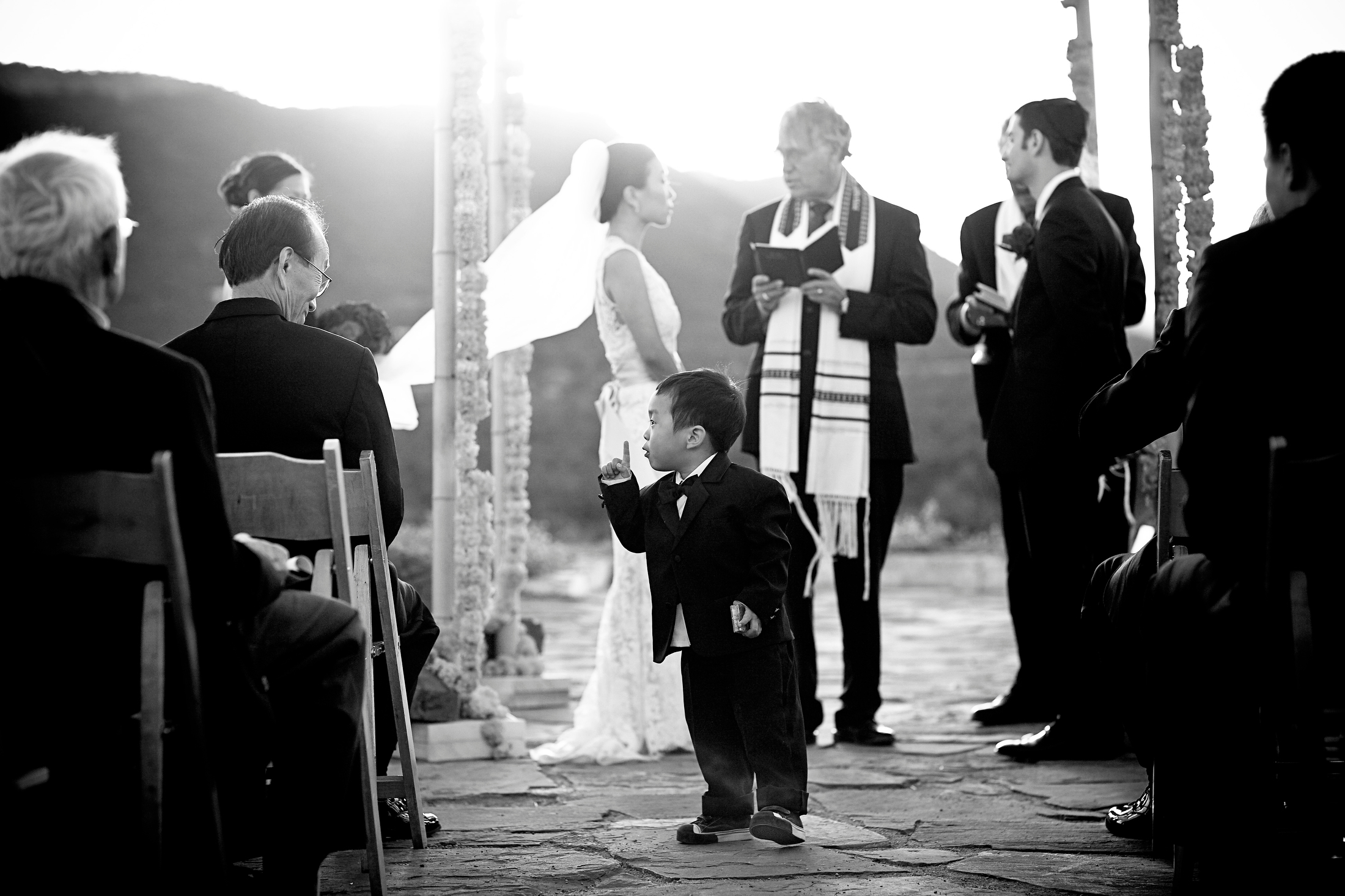
There are a few photos you have to get at every wedding.
First kiss. First dance. Parent dances. Bridal portrait, head to toe. Groom portrait, head to toe. Bride with mom (had to learn this one the hard way a few times). Couple together (head to toe). Processional. Straightforward ceremony angle. Couple walking back down the aisle (my mom noticed I missed that photo at my very first wedding, and her yelling at me about this is something I will never forget). Cake cutting. And the grand exit.
Everything else is basically up to your interpretation.
And over the years, that has gone from “Let’s take the weirdest photos I can” to “Let’s take the most meaningful photos I can.”
This probably started when Erin and I got married. I still think about our wedding almost every day. We brought our three favorite photographers to document it, and they gave us something I didn’t expect: my memories of the entire wedding. When I think about every part of that weekend, my mind first goes to the photos they took, and not my actual memories.
I didn’t expect that, but it made me realize how crucial the photos are. It wasn’t about pictures of the candles, the food, or Erin’s wedding dress hanging from a door frame.
It was about the interactions between all our best friends and family. Putting them all under one big ceiba tree in the Mexican jungle and seeing how they react to one another.
It’s about how Erin looked and felt when she slid into that dress, which I helped her put on.
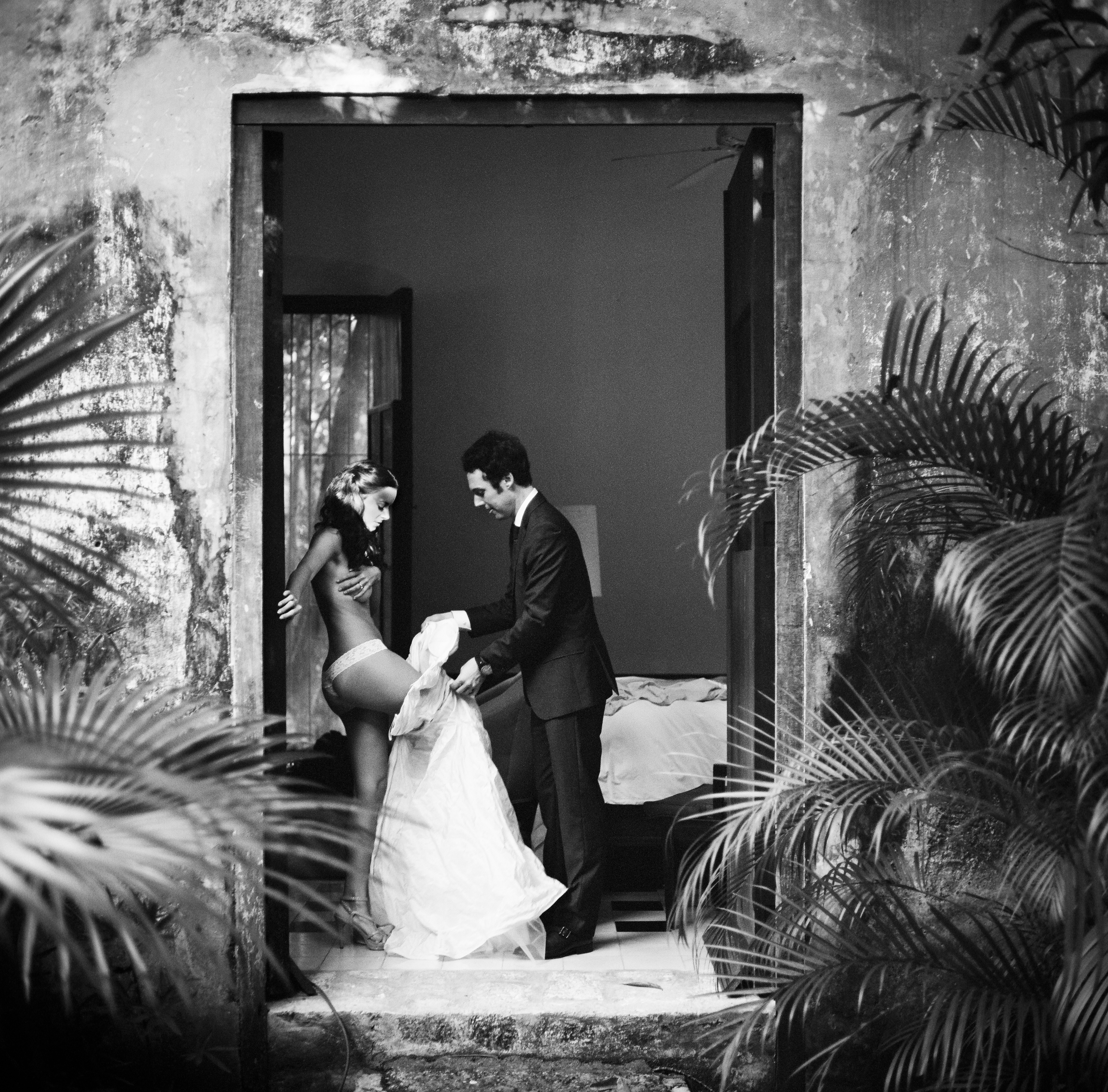
It’s about how we looked at each other while listening to each other’s vows, a little hungover from tequila, tears streaming down our faces.
It’s about the photos we never anticipated, wrote down on a shot list, or even imagined.
That is the true role, and the true value, of photographers. Seeing the unseen.
Simply being a wedding photographer was how I thought people would most remember me. But now I know it’s just as likely that being Roxy’s dad - or being someone’s friend who always took photos of them every time I was around - will be just as likely.
I’m good with that.
In many ways, I feel the photos I’ve taken over the last 30 years at weddings, in my neighborhood, in our studio, or on vacation with a family, will last longer and mean more than anything I could have done in any other genre of photography. Little moments here. Big moments there. The stories of all those people I’ve met with my camera will be passed down, and felt so deeply because they are connected so closely. Even if they weren't born yet.
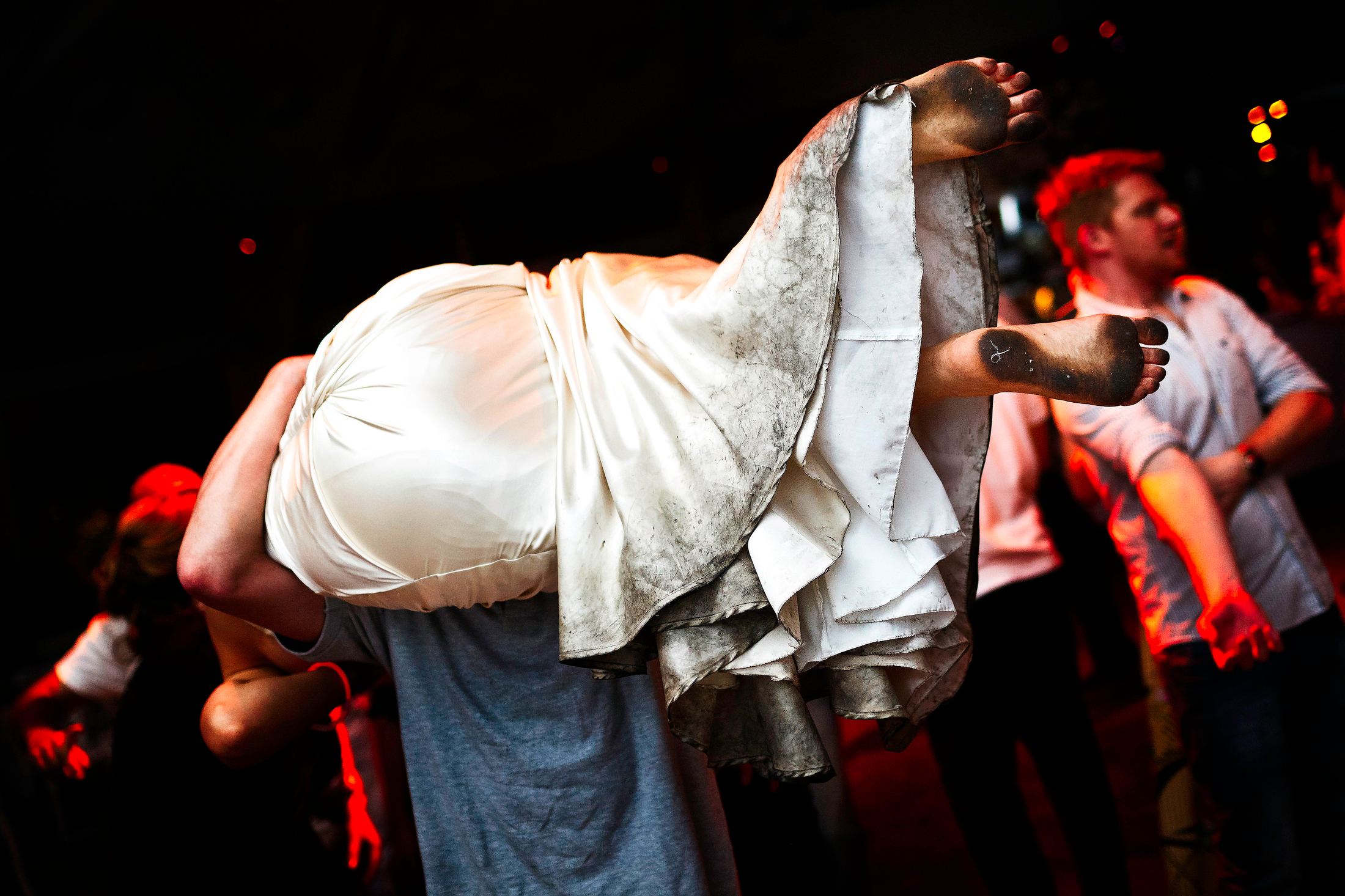
I turn 50 this year. It’s a funny feeling now, knowing you’re closer in age to the couple’s parents and not the couple anymore. But being a photographer is about adapting, finding connection with the person in front of you, and continuing the work.
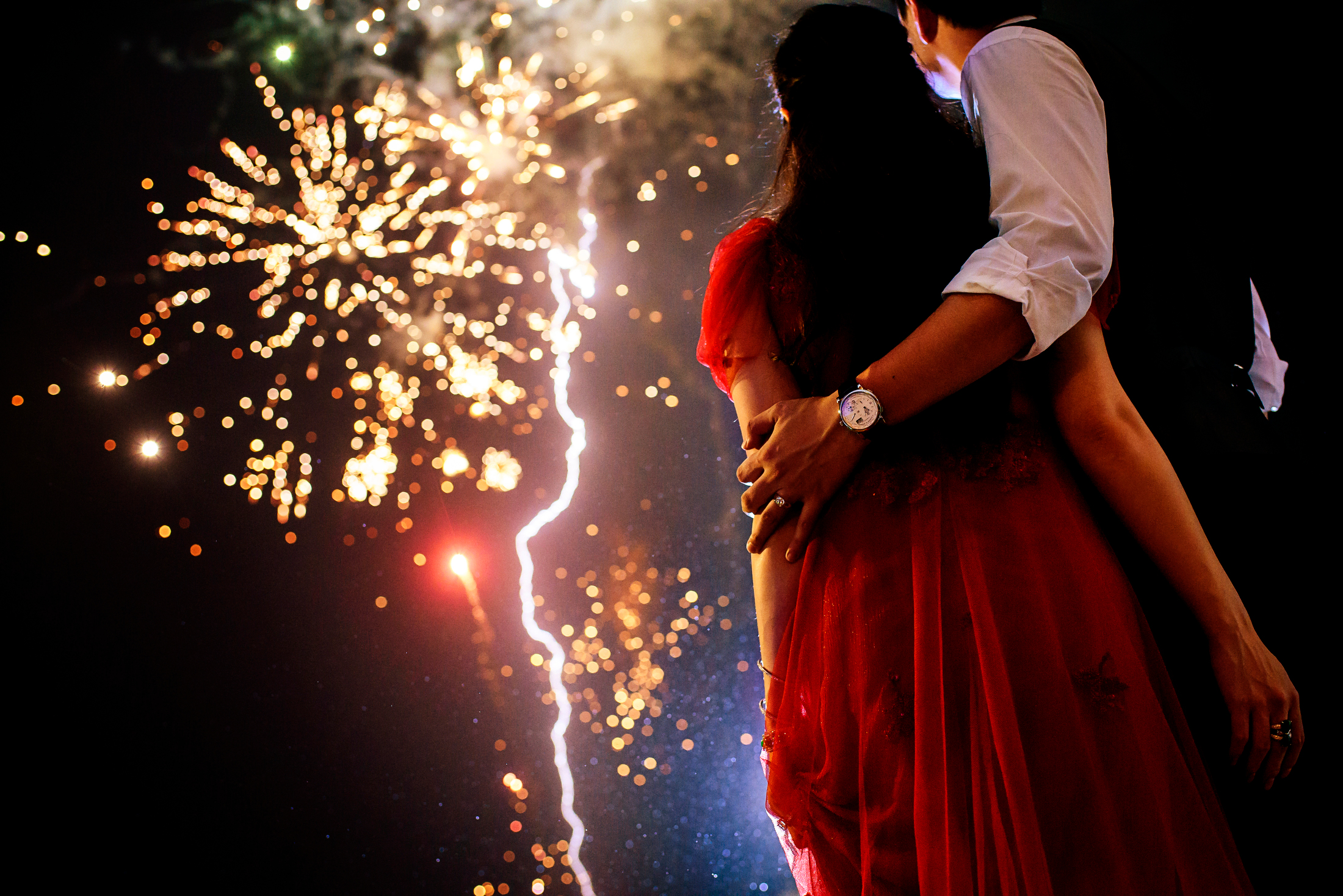
And I love the work. Photographing a wedding now is even more exciting to me than when I started because I have a better sense of what is going to matter to the couple, not only right after the wedding, but on their 25th anniversary. And taking meaningful photos requires a lot more ability to see deeply than a trickster photo with a flash and prism. I still do that, but now I know that, in the long run, that photo isn’t the one that will matter most to them, or to me.
The walking back down the aisle photo might just be the one that sticks the most. Thank you, Mom, for that first lesson in wedding photography.
Wedding photography has never really been about cameras.
It's about people.
It's about preserving relationships, celebrating family, and creating photographs that become part of a couple's legacy for generations to come. This story is a beautiful reminder of just that. - Sherry Pickerell - Owner, World's Best Wedding Photos


